
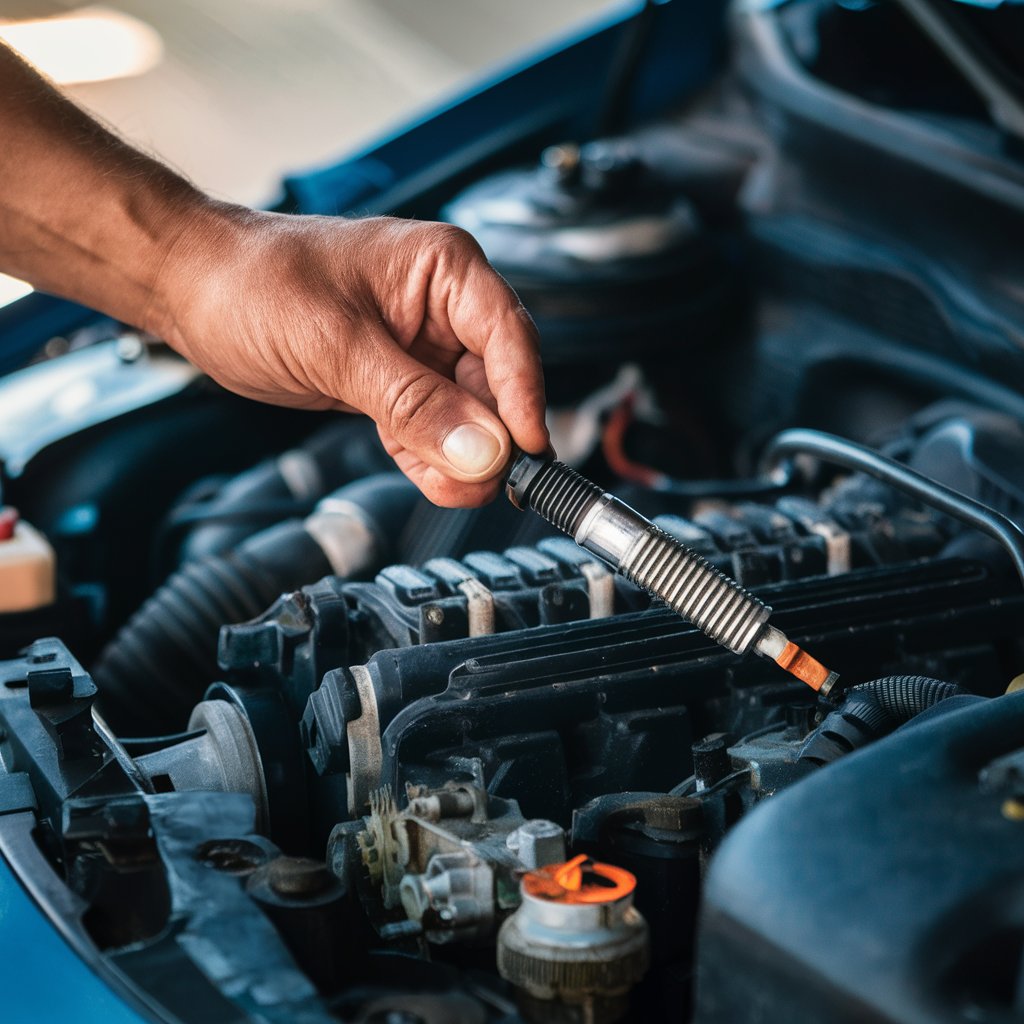
One of the most important aspects of car maintenance is understanding how to check spark plugs. Spark plugs are small but essential components of your engine that ignite the fuel-air mixture to power your car. Over time, they can wear out, become fouled, or malfunction, leading to engine misfires, reduced fuel efficiency, and poor performance. Checking spark plugs regularly helps you identify problems early, maintain engine health, and improve the lifespan of your vehicle. This comprehensive guide will provide step-by-step instructions for inspecting spark plugs, tips for safe handling, and advice on when to replace them, making it an indispensable resource for beginners and seasoned car enthusiasts alike.
Why Checking Spark Plugs Is Important
Spark plugs are critical to engine performance. When functioning properly, they ensure efficient combustion, smooth acceleration, and optimal fuel consumption. Neglecting to check spark plugs can result in multiple issues:
-
Engine Misfires: Faulty plugs cause incomplete combustion, making your engine jerk or hesitate.
-
Reduced Fuel Efficiency: Poorly functioning spark plugs burn fuel inefficiently, increasing costs.
-
Rough Idling: Worn or fouled plugs can cause the engine to idle unevenly.
-
Difficulty Starting the Engine: Ignition problems can make it hard to start your car.
Regular inspection not only prevents these problems but also allows car owners to identify engine issues before they escalate, saving time and money in repairs.
Tools You Need to Check Spark Plugs
Before you start, ensure you have the proper tools:
-
Spark Plug Socket: A specialized socket designed to fit spark plugs securely.
-
Ratchet and Extension: For removing plugs safely from deep engine compartments.
-
Spark Plug Gap Gauge: Measures the gap to ensure the plug ignites efficiently.
-
Torque Wrench: Ensures plugs are tightened to the manufacturer’s specifications.
-
Gloves and Safety Goggles: Protects your hands and eyes during inspection.
Having the right tools ensures a safe and effective spark plug check without damaging components.
Step-by-Step Guide: How to Check Spark Plugs
Step 1: Locate the Spark Plugs
Open the hood and locate the spark plugs, usually attached to the engine block with ignition wires or coil packs. Consult your car manual if necessary.
Step 2: Remove the Spark Plug
Using a spark plug socket and ratchet, carefully unscrew and remove the plug. Handle with care to avoid breaking the porcelain tip.
Step 3: Inspect the Spark Plug
Examine the plug for the following:
-
Carbon Fouling: Black, dry deposits indicate poor combustion or rich fuel mixture.
-
Oil Fouling: Oily deposits suggest valve cover gasket leaks or oil entering the cylinder.
-
Worn Electrode: Rounded or eroded electrodes reduce spark efficiency.
-
Cracks or Damage: Any cracks in the porcelain insulator require immediate replacement.
Step 4: Check the Spark Plug Gap
Use a spark plug gap gauge to measure the distance between the center and ground electrodes. Compare with your car manufacturer’s recommended gap. Adjust if necessary.
Step 5: Reinstall or Replace the Spark Plug
If the plug is still in good condition, reinstall it using a torque wrench to tighten to specification. If worn or damaged, replace it with a new plug of the correct type.
Tips for Safe and Effective Spark Plug Checks
-
Inspect Spark Plugs Regularly: Check every 20,000–30,000 miles for copper plugs, 60,000 miles for platinum, and up to 100,000 miles for iridium.
-
Handle with Care: Avoid dropping or cracking the porcelain insulator.
-
Keep the Area Clean: Remove debris around the spark plug hole before removing the plug.
-
Use Manufacturer-Specified Plugs: Always use the correct type and heat rating for your engine.
-
Monitor Engine Performance: Note any misfires or unusual engine behavior as signs for plug replacement.
Following these safety tips ensures that your spark plug checks are both effective and damage-free.
Conclusion
Knowing how to check spark plugs is essential for maintaining a healthy engine and improving vehicle performance. Proper inspection allows you to detect early signs of wear, fouling, or damage, preventing misfires, poor fuel efficiency, and costly repairs. By following a step-by-step process, using the right tools, and adhering to manufacturer guidelines, you can confidently check your spark plugs and keep your engine running smoothly. Regular maintenance ensures longevity and efficiency, making spark plug checks an indispensable part of car care for both beginners and experienced drivers.
❓ Frequently Asked Questions (FAQ)
1. How often should I check spark plugs?
Check spark plugs every 20,000–30,000 miles for copper plugs, 60,000 miles for platinum, and up to 100,000 miles for iridium plugs, or sooner if performance issues arise.
2. Can I check spark plugs myself?
Yes, with basic tools and safety precautions, spark plug inspection can be done at home by beginners and DIY enthusiasts.
3. What are the signs of bad spark plugs?
Signs include engine misfires, rough idling, reduced fuel efficiency, difficulty starting the engine, and unusual engine noises.
4. Do I need a professional to check spark plugs?
While DIY inspection is possible, a professional can ensure proper installation, gap adjustment, and diagnosis of engine issues.
5. How do I know if my spark plugs need replacement?
Inspect for carbon or oil fouling, cracked porcelain, eroded electrodes, or gaps outside manufacturer specifications. Any of these signs require replacement.
