
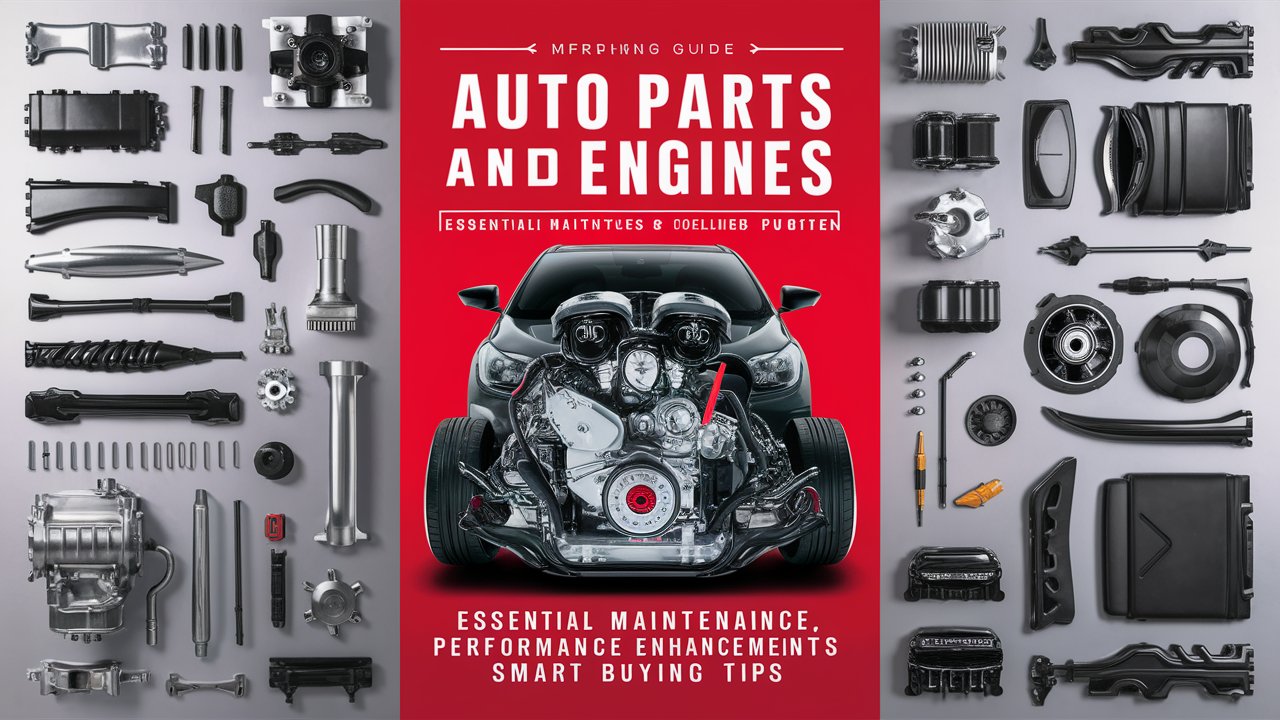
Auto parts and engines form the backbone of every vehicle, determining how efficiently, reliably, and safely it operates on the road. Whether you drive a daily commuter car, manage a fleet of commercial vehicles, or own high-performance automobiles, understanding how auto parts and engines work together can help you make smarter repair, maintenance, and upgrading decisions. Many drivers only pay attention to their engines when something goes wrong, but proactive knowledge allows you to prevent breakdowns, extend engine life, and improve fuel efficiency. With automotive technology evolving rapidly—featuring hybrid engines, advanced sensors, and high-precision components—having a clear overview of auto parts and engines is more important than ever. This article provides an in-depth look at essential components, common problems, buying strategies, engine types, and maintenance tips to help you keep your vehicle performing at its highest level.
1. Understanding Auto Parts and Engines: How They Power Your Vehicle
Keywords: auto parts and engines, vehicle engine components, engine performance parts
Auto parts and engines are at the core of automotive engineering, working together to convert fuel into mechanical energy that propels the vehicle forward. The modern engine relies on a complex network of parts including pistons, crankshafts, camshafts, spark plugs, fuel injectors, intake manifolds, timing belts, and electronic control systems. Each part plays a specific role in regulating airflow, fuel combustion, ignition timing, and exhaust flow. The harmony between these components determines engine efficiency, horsepower output, and overall performance. When even one part fails or becomes worn, the balance is disrupted, causing reduced acceleration, poor fuel economy, or mechanical noise. Understanding how auto parts and engines function as a system gives vehicle owners the ability to identify early signs of trouble, choose high-quality replacement parts, and make informed upgrades that improve long-term reliability.
2. Types of Auto Parts and Engine Components to Know
Keywords: essential auto parts, engine parts list, automotive components
Auto parts and engine components include thousands of individual items that work together, but some are more essential than others for daily vehicle operation. Major engine parts include pistons, cylinders, crankshafts, connecting rods, cylinder heads, and valve systems, which handle combustion and mechanical movement. Supporting systems such as the fuel system, ignition system, cooling system, and lubrication system also contain critical components like radiators, water pumps, alternators, batteries, fuel pumps, spark plugs, and oil filters. Sensors such as oxygen sensors, mass airflow sensors, and cam position sensors provide information to the engine control unit, ensuring optimal fuel-air mixture and efficient burning. Exterior and structural parts such as suspension components, brakes, transmission parts, and drivetrain components also influence performance and safety. Understanding these parts helps drivers diagnose potential issues, communicate effectively with mechanics, and make smart purchasing decisions when repairs arise.
3. Choosing the Right Auto Parts and Engines for Your Vehicle
Keywords: choosing auto parts, best engine replacement options, OEM vs aftermarket parts
Selecting the right auto parts and engines is one of the most important decisions you can make for your vehicle’s health. Whether replacing a small sensor or considering a full engine swap, compatibility, quality, and reliability must be top priorities. OEM (Original Equipment Manufacturer) parts are designed specifically for your vehicle’s make and model, ensuring perfect fit and performance standards identical to the original components. Aftermarket parts, while often more affordable, vary widely in quality, lifespan, and compatibility. High-performance vehicles may benefit from aftermarket upgrades, but daily drivers usually perform best with OEM components. When selecting replacement engines, it is essential to consider the engine type, warranty, mileage (if used or rebuilt), and certification. Rebuilt, remanufactured, and crate engines offer cost-effective solutions, but thorough research is required to avoid mechanical issues later. Choosing the right parts ensures smoother performance, better fuel efficiency, and longer overall lifespan.
4. How Auto Parts and Engines Impact Fuel Efficiency and Performance
Keywords: engine performance, fuel efficiency, high-quality auto parts
The quality and condition of auto parts and engines have a direct impact on fuel efficiency, horsepower, acceleration, and overall vehicle performance. Clean air filters allow proper airflow to the engine, reducing fuel consumption and improving ignition strength. Well-maintained spark plugs ensure optimal combustion, preventing misfires and wasted fuel. Engine sensors provide critical data that helps the control unit regulate timing and fuel mixture, ensuring high efficiency even in varying driving conditions. Exhaust systems also influence performance by releasing combustion gases efficiently and maintaining proper pressure inside the engine. When key parts become worn or clogged, they force the engine to work harder, consuming more fuel and producing less power. Upgrading to high-quality auto parts—such as performance air filters, premium spark plugs, or advanced ignition coils—can significantly enhance performance while extending engine life. Proper maintenance ensures the engine runs smoothly and economically throughout its lifespan.
5. Maintenance Tips to Extend the Life of Auto Parts and Engines
Keywords: auto engine maintenance, extend engine life, car care tips
Regular maintenance is essential to preserving engine health, preventing breakdowns, and extending the lifespan of auto parts and engines. Oil changes are perhaps the most critical, keeping internal components lubricated and reducing friction that leads to wear. Replacing oil and air filters ensures clean airflow and proper lubrication, helping maintain efficient combustion. It is also important to check coolant levels, belts, hoses, and spark plugs to prevent overheating, misfires, and engine stress. Routine inspections of brake systems, suspension, and the fuel system help catch minor problems before they turn into expensive repairs. Drivers should also pay attention to strange noises, reduced acceleration, warning lights, and changes in exhaust smoke, as these signs usually indicate early-stage problems. Consistent maintenance, combined with high-quality parts and timely repairs, significantly extends engine life and keeps your vehicle running smoothly for years.
6. Common Problems in Auto Parts and Engines and How to Fix Them
Keywords: engine problems, auto part failures, troubleshooting car issues
Auto parts and engines can develop various issues over time, especially when maintenance is neglected or parts become worn. Common problems include engine misfires, rough idling, overheating, oil leaks, strange knocking sounds, and increased fuel consumption. These issues often result from worn spark plugs, dirty fuel injectors, clogged air filters, damaged hoses, or failing sensors. More serious problems such as blown head gaskets, worn piston rings, or timing belt failures require immediate attention and expert repair. Diagnosing the underlying cause quickly prevents further damage and reduces repair costs. Troubleshooting typically begins with checking common wear parts, scanning the vehicle with diagnostic tools, and inspecting visible components for damage or leaks. Replacing faulty auto parts and repairing engine issues early ensures reliability, safety, and improved long-term vehicle performance.
7. Where to Buy Auto Parts and Engines Online and In-Store
Keywords: buy auto parts online, engine replacement stores, auto parts near me
Finding reliable sources for auto parts and engines is essential to ensure quality, warranty support, and proper fitment. Many major retailers offer OEM and premium aftermarket parts both online and in physical stores, making it convenient for drivers to compare pricing and availability. Online marketplaces provide detailed product descriptions, customer reviews, and compatibility tools that help buyers choose the correct components for their vehicles. Local auto parts stores offer expert guidance, immediate pickup, and support for returns and warranty claims. For engine replacements, certified engine rebuilders, automotive machine shops, and official dealership service centers provide trusted solutions with long-term warranties. Whether buying online or in person, it is essential to verify part numbers, check seller credibility, and choose reputable sources to avoid counterfeit or low-quality components.
Conclusion: Investing in High-Quality Auto Parts and Engines for Long-Term Performance
Auto parts and engines are the heart of vehicle performance, reliability, and safety. By understanding how these components work, choosing high-quality replacements, and following proper maintenance schedules, drivers can enjoy smoother operation, improved fuel efficiency, and extended vehicle lifespan. With countless options available on the market, knowledge becomes your greatest asset in selecting the best auto parts and engines for your needs. Whether you are repairing your current engine, upgrading performance, or considering a full replacement, focusing on quality ensures long-term value and dependable performance on every journey.
FAQs About Auto Parts and Engines
1. What is the best place to buy auto parts and engines?
You can purchase them from online retailers, dealership service centers, certified rebuilders, and trusted local auto parts stores.
2. Are aftermarket parts as good as OEM parts?
Some aftermarket parts are high quality, but OEM parts ensure perfect compatibility and long-term reliability.
3. How often should I replace engine components?
Parts like spark plugs, filters, and belts should be replaced based on manufacturer intervals, usually every 20,000–60,000 miles.
4. What are the most common engine problems?
Misfires, overheating, oil leaks, sensor failures, and timing belt issues are among the most frequent engine-related problems.
5. How do I know if my engine needs replacement?
Signs include severe knocking, excessive smoke, low compression, overheating, and high repair costs that exceed the engine’s value.
