
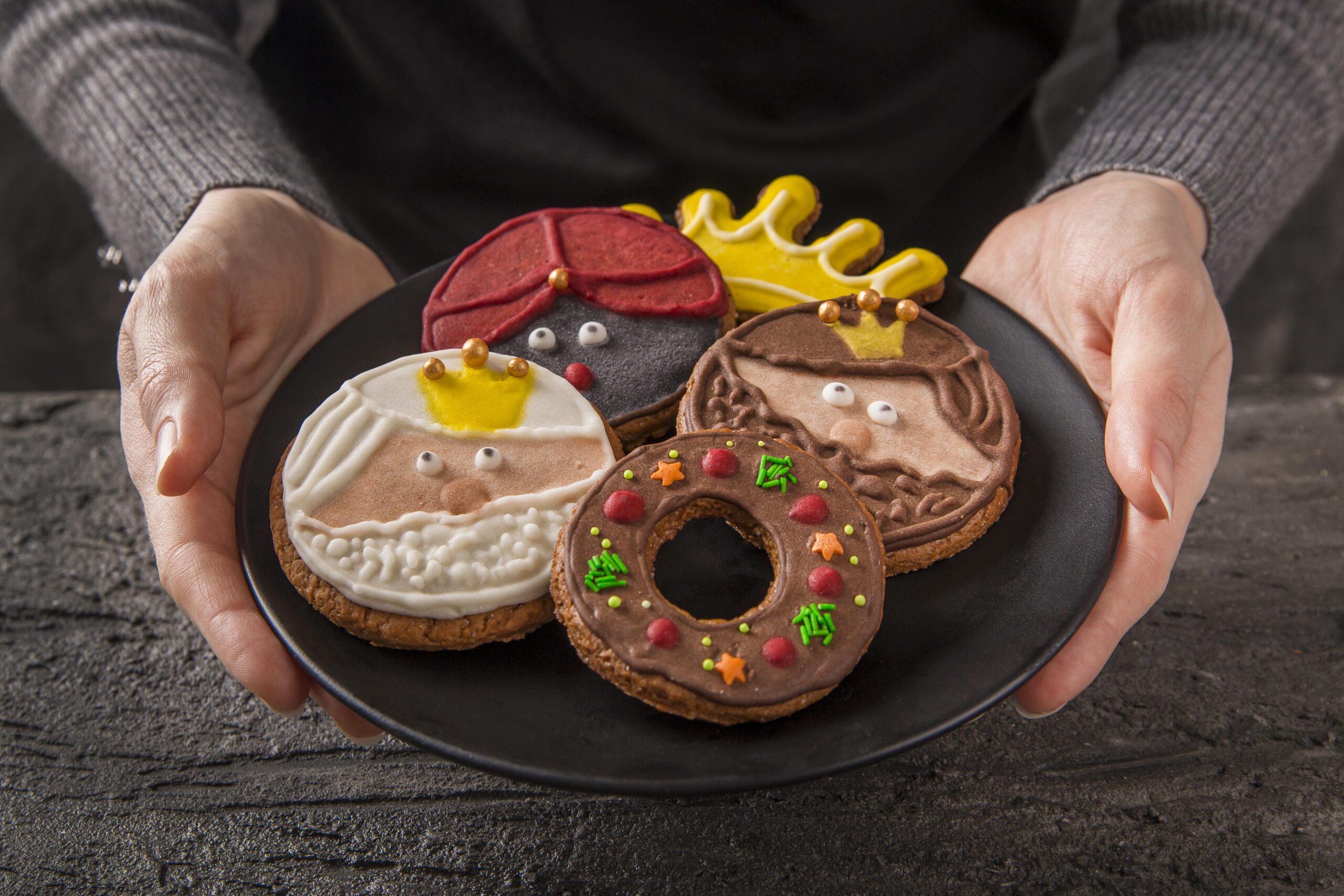
The old fashioned donut is a timeless classic that has delighted generations with its crisp edges, tender crumb, and subtle sweetness. Unlike modern yeast-raised donuts, the old fashioned donut is cake-based, offering a dense yet soft texture that pairs perfectly with a cup of coffee. Its charm lies in its simplicity—no fancy glazes or fillings, just pure, nostalgic flavor. This article explores the history, ingredients, and techniques behind the perfect old fashioned donut, along with expert tips to help recreate this bakery favorite at home.
The History of the Old Fashioned Donut
The old fashioned donut traces its roots back to the early 19th century, when home bakers began experimenting with fried dough recipes. Before the invention of commercial yeast, donuts were made using baking powder or soda, giving them a cake-like texture. These early donuts were often flavored with nutmeg, cinnamon, or buttermilk, creating a rich and comforting taste. As donut shops gained popularity in the early 1900s, the old fashioned donut became a staple, celebrated for its rustic appearance and satisfying crunch. Even today, it remains a symbol of traditional American baking, cherished for its authenticity and simplicity.
What Makes an Old Fashioned Donut Unique
The defining feature of an old fashioned donut is its texture. Unlike yeast donuts, which are light and airy, old fashioned donuts are dense, crumbly, and slightly crisp on the outside. The signature cracked surface forms naturally during frying, giving the donut its iconic rustic look. This texture comes from the use of cake flour, buttermilk, and baking powder, which create a tender crumb without the need for yeast. The flavor is subtly sweet, often enhanced with a hint of vanilla or nutmeg. When glazed lightly with sugar or left plain, the old fashioned donut delivers a perfect balance of sweetness and nostalgia.
Ingredients for the Perfect Old Fashioned Donut
Creating the perfect old fashioned donut begins with quality ingredients. The base typically includes cake flour for a soft texture, sugar for sweetness, eggs for richness, and buttermilk for moisture and tang. Baking powder acts as the leavening agent, helping the donuts rise slightly without becoming too airy. A touch of salt enhances the flavor, while nutmeg or cinnamon adds warmth. The frying oil also plays a crucial role—neutral oils like canola or vegetable oil are ideal for achieving a golden, crisp exterior without overpowering the flavor. Each ingredient contributes to the donut’s signature taste and texture, making precision essential.
Step-by-Step Guide to Making Old Fashioned Donuts
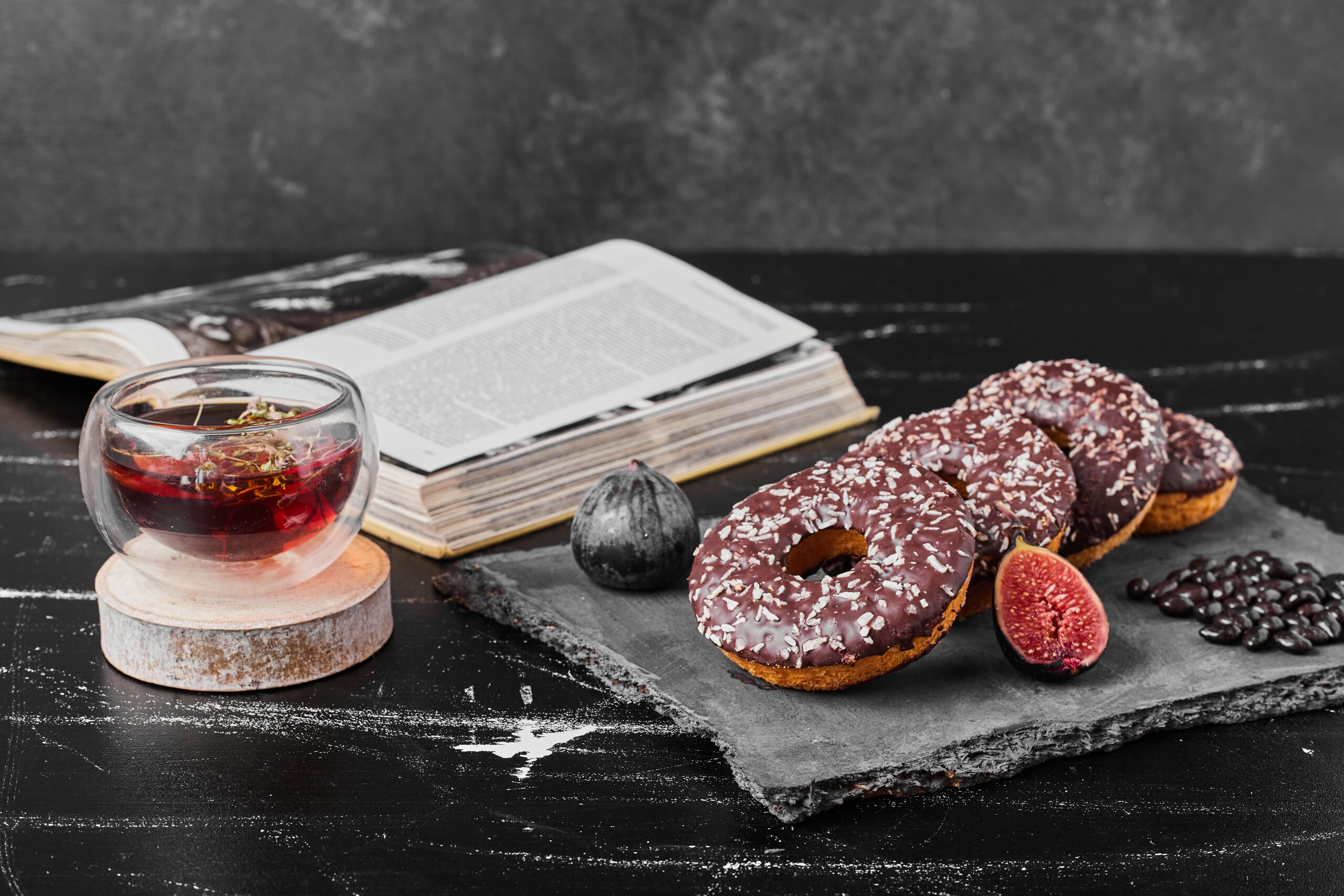
To make old fashioned donuts at home, start by whisking together the dry ingredients—cake flour, baking powder, salt, and spices. In a separate bowl, cream the butter and sugar until light and fluffy, then add the eggs and vanilla extract. Gradually mix in the dry ingredients, alternating with buttermilk, until a soft dough forms. Chill the dough for at least 30 minutes to make it easier to handle. Roll it out on a floured surface and cut into donut shapes using a cutter. Heat oil in a deep pan to around 350°F (175°C) and fry the donuts until golden brown on both sides. Once cooled slightly, glaze them with a simple sugar glaze or dust with powdered sugar for a classic finish.
Tips for Perfecting the Old Fashioned Donut
Achieving the perfect old fashioned donut requires attention to detail. The oil temperature is critical—too hot, and the donuts will brown too quickly without cooking through; too cool, and they’ll absorb excess oil. Maintaining a consistent temperature ensures even frying and a crisp exterior. Chilling the dough before frying helps retain shape and prevents spreading. For extra flavor, try adding a touch of lemon zest or substituting part of the buttermilk with sour cream. When glazing, allow the donuts to cool slightly so the glaze sets beautifully without melting off. These small adjustments can elevate a simple recipe into a bakery-quality treat.
Variations of the Old Fashioned Donut
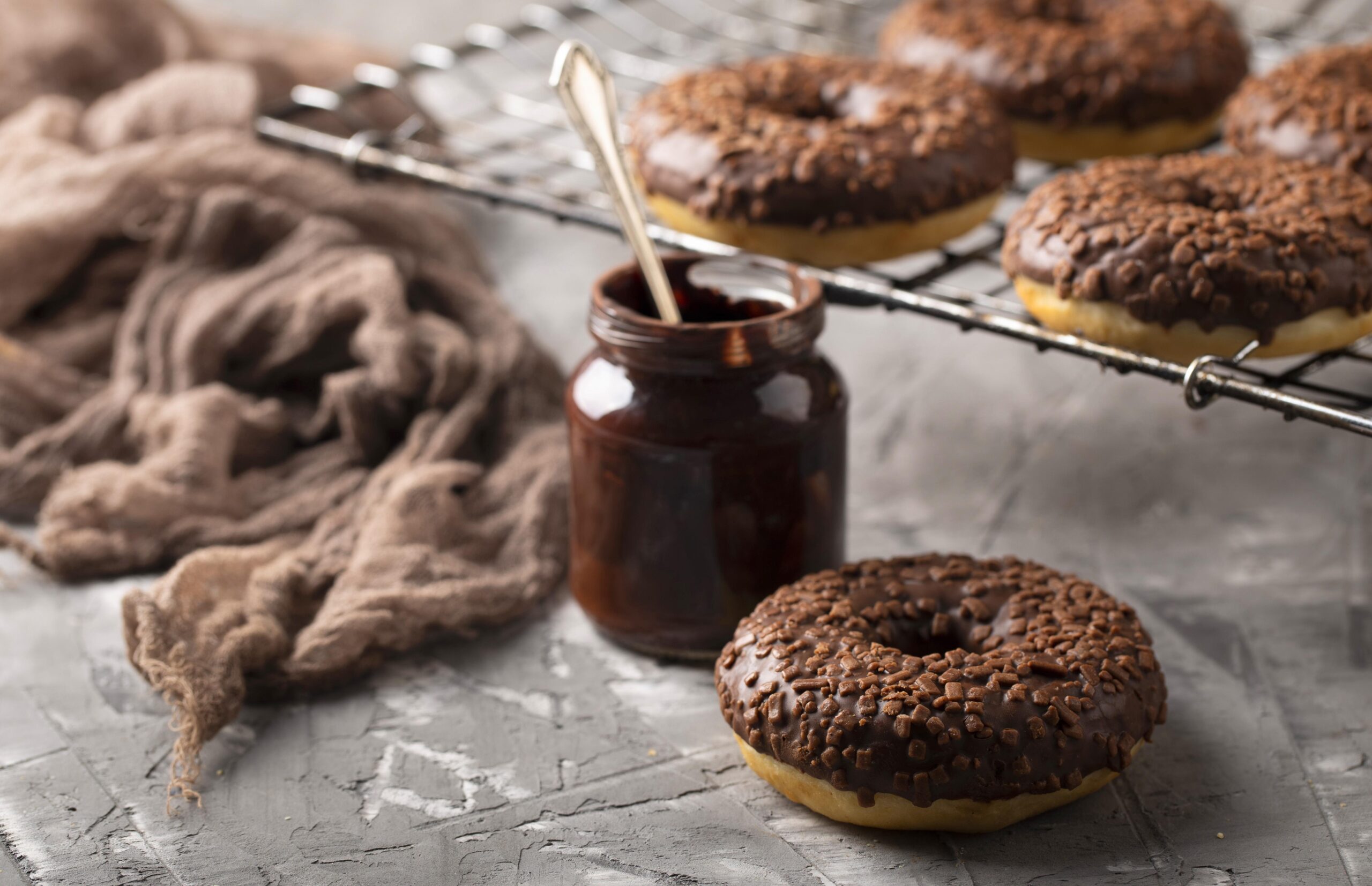
While the traditional old fashioned donut is plain or lightly glazed, there are countless variations to explore. Chocolate old fashioned donuts incorporate cocoa powder for a rich, indulgent twist. Maple-glazed versions add a warm, caramel-like sweetness that pairs perfectly with coffee. Some bakers experiment with spices like cardamom or ginger for a unique flavor profile. For a festive touch, a sprinkle of cinnamon sugar or a drizzle of honey can transform the classic donut into a seasonal favorite. Despite these variations, the essence of the old fashioned donut remains the same—comforting, simple, and irresistibly delicious.
Why Old Fashioned Donuts Remain Timeless
The enduring popularity of the old fashioned donut lies in its authenticity. In a world filled with elaborate pastries and trendy desserts, this humble donut stands as a reminder of simpler times. Its flavor evokes nostalgia, while its texture offers a satisfying contrast to modern, overly sweet confections. Whether enjoyed fresh from a bakery or homemade with care, the old fashioned donut connects generations through shared taste and tradition. Its timeless appeal ensures that it will continue to hold a special place in the hearts of donut lovers everywhere.
Conclusion
The old fashioned donut is more than just a pastry—it’s a piece of culinary history that continues to delight with every bite. Its crisp edges, tender crumb, and subtle sweetness make it a true classic that never goes out of style. By understanding its origins, mastering the recipe, and applying a few expert techniques, anyone can recreate this beloved treat at home. Whether served plain, glazed, or spiced, the old fashioned donut remains a symbol of comfort, tradition, and timeless flavor.
Frequently Asked Questions (FAQ)
1. What is an old fashioned donut made of?
An old fashioned donut is made from cake flour, sugar, eggs, buttermilk, baking powder, and a touch of spice like nutmeg. It’s fried until golden and often glazed lightly with sugar.
2. How is an old fashioned donut different from a regular donut?
Old fashioned donuts are cake-based and denser, while regular donuts are yeast-raised and airy. The old fashioned variety has a crisp exterior and a cracked surface that gives it a rustic look.
3. Can old fashioned donuts be baked instead of fried?
While traditionally fried, they can be baked for a lighter version. However, baking may alter the texture, making them less crisp and slightly more cake-like.
4. How long do old fashioned donuts stay fresh?
They are best enjoyed fresh but can be stored in an airtight container for up to two days. Reheating them briefly in the oven helps restore their crispness.
5. What oil is best for frying old fashioned donuts?
Neutral oils like canola, vegetable, or peanut oil are ideal because they have high smoke points and do not overpower the donut’s flavor.
