
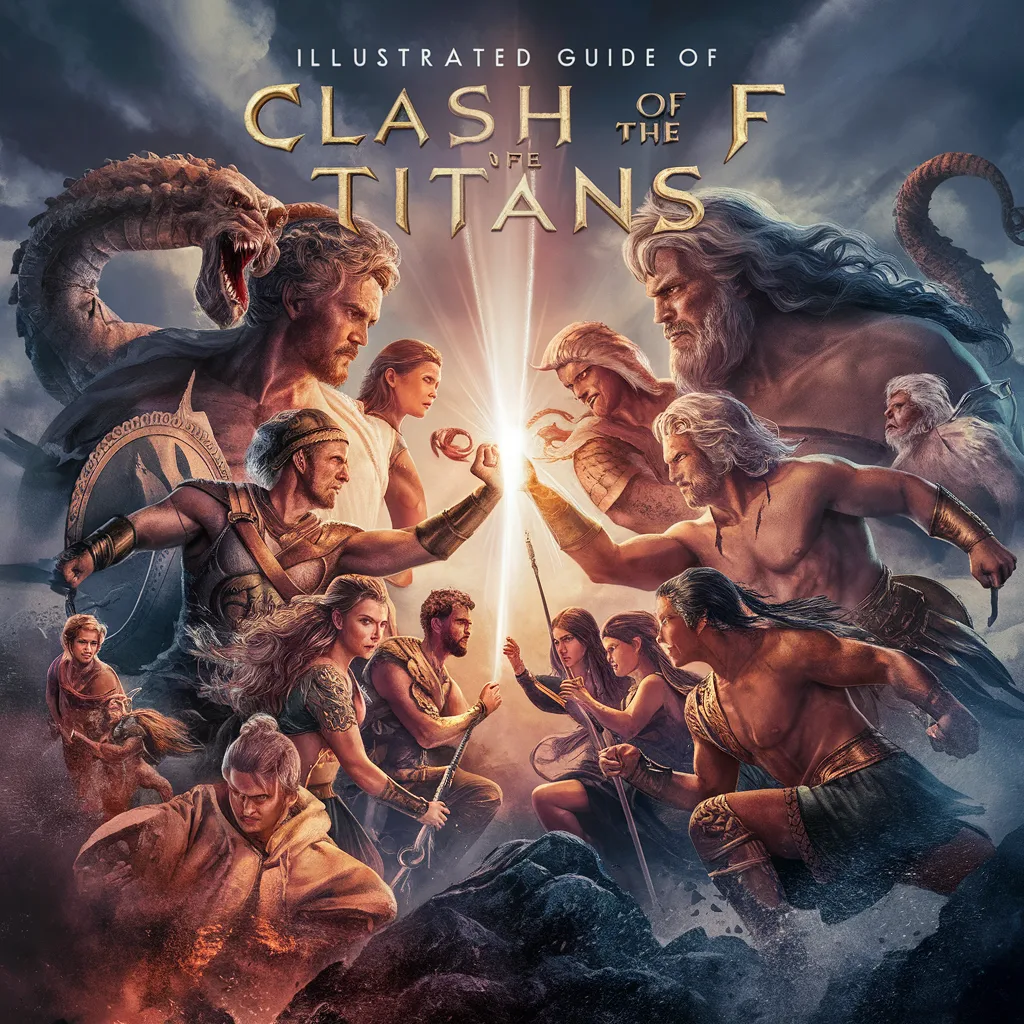
The Clash of the Titans cast brought to life one of the most iconic mythological adventures ever adapted for the big screen. Whether referring to the 1981 classic or the 2010 remake, both versions of Clash of the Titans feature a stellar lineup of actors who portrayed gods, heroes, and monsters from ancient Greek mythology. The story of Perseus, the demigod who defies fate and challenges the gods, has captivated audiences for decades. The film’s success owes much to its talented cast, whose performances gave depth and emotion to a world filled with divine power, epic battles, and legendary creatures. This article explores the full cast of Clash of the Titans, their roles, and how their portrayals contributed to the film’s enduring legacy.
The Main Cast of Clash of the Titans (2010)
Sam Worthington as Perseus
Sam Worthington took on the role of Perseus, the mortal son of Zeus, in the 2010 remake. Known for his performance in Avatar, Worthington brought a modern, action-driven energy to the character. His portrayal of Perseus emphasized courage, determination, and defiance against the gods. As the central hero, Perseus embarks on a perilous journey to defeat the monstrous Kraken and save humanity. Worthington’s performance balanced strength with vulnerability, making Perseus a relatable hero caught between divine destiny and human emotion.
Liam Neeson as Zeus
Liam Neeson’s commanding presence made him the perfect choice for Zeus, the king of the gods. His portrayal combined authority, compassion, and inner conflict as he struggled between his love for humanity and his duty as ruler of Olympus. Neeson’s deep voice and regal demeanor gave Zeus a powerful yet empathetic quality, making him one of the most memorable figures in the film. His interactions with Perseus added emotional depth to the story, highlighting the complex relationship between gods and mortals.
Ralph Fiennes as Hades
Ralph Fiennes delivered a chilling performance as Hades, the god of the underworld. Known for his role as Voldemort in the Harry Potter series, Fiennes brought a dark intensity to Hades, portraying him as both vengeful and tragic. His character’s resentment toward Zeus and humanity drives much of the film’s conflict. Fiennes’ portrayal added psychological depth to the villain, making Hades more than just a typical antagonist—he became a symbol of jealousy, pain, and the destructive power of ambition.
Gemma Arterton as Io
Gemma Arterton played Io, a mysterious guide and protector of Perseus. Her character, cursed with immortality, serves as both mentor and emotional anchor for the hero. Arterton’s performance combined wisdom, grace, and quiet strength, making Io one of the film’s most compelling characters. Her chemistry with Worthington added a subtle romantic undertone to the story, while her sacrifice underscored the film’s themes of love, destiny, and heroism.
Mads Mikkelsen as Draco
Mads Mikkelsen portrayed Draco, the loyal captain of the King’s Guard who aids Perseus on his quest. Known for his intense screen presence, Mikkelsen brought depth and honor to the role. Draco’s character represents the courage of humanity in the face of divine wrath. His mentorship and eventual sacrifice highlight the film’s message about bravery and loyalty. Mikkelsen’s performance added emotional weight to the ensemble, making Draco one of the standout supporting characters.
The Iconic Cast of Clash of the Titans (1981)
Harry Hamlin as Perseus
In the original 1981 version, Harry Hamlin starred as Perseus, the heroic son of Zeus. His portrayal captured the classic spirit of Greek mythology, combining charm, bravery, and determination. Hamlin’s performance, supported by groundbreaking stop-motion effects from Ray Harryhausen, helped make Clash of the Titans a timeless fantasy adventure. His version of Perseus remains a nostalgic favorite among fans of mythological cinema.
Laurence Olivier as Zeus
The legendary Laurence Olivier brought gravitas and authority to the role of Zeus in the 1981 film. His performance embodied the grandeur and complexity of the king of the gods, balancing divine power with paternal affection for Perseus. Olivier’s portrayal set the standard for cinematic depictions of Zeus, influencing future interpretations of the character.
Maggie Smith as Thetis
Maggie Smith, known for her later roles in Harry Potter and Downton Abbey, played Thetis, the goddess of the sea. Her performance was both regal and vengeful, portraying a deity whose wrath drives much of the film’s conflict. Smith’s commanding presence and emotional depth made Thetis one of the most memorable characters in the original film.
Burgess Meredith as Ammon
Burgess Meredith portrayed Ammon, the wise poet and mentor to Perseus. His warmth and humor provided balance to the film’s darker moments. Meredith’s performance added a human touch to the mythological narrative, grounding the story in compassion and wisdom.
Comparing the 1981 and 2010 Casts
Both versions of Clash of the Titans feature exceptional casts that reflect the filmmaking styles of their respective eras. The 1981 cast emphasized classical acting and mythological grandeur, while the 2010 cast focused on action, realism, and emotional intensity. Laurence Olivier’s Zeus exuded old-world majesty, while Liam Neeson’s version brought a modern, conflicted depth. Similarly, Harry Hamlin’s Perseus embodied traditional heroism, whereas Sam Worthington’s portrayal emphasized defiance and independence. Each cast contributed uniquely to the enduring legacy of Clash of the Titans, ensuring that the story continues to resonate with audiences across generations.
The Legacy of the Clash of the Titans Cast
The Clash of the Titans cast played a crucial role in shaping the film’s success and cultural impact. Their portrayals of gods, heroes, and monsters brought ancient myths to life for modern audiences. The combination of strong performances, visual effects, and timeless storytelling ensured that both versions of the film remain beloved by fans of fantasy and mythology. The actors’ dedication to their roles helped transform a centuries-old legend into a cinematic experience that continues to inspire new adaptations and discussions about Greek mythology in popular culture.
Conclusion
The Clash of the Titans cast stands as a testament to the power of storytelling and performance. From Laurence Olivier’s commanding Zeus to Liam Neeson’s modern interpretation, from Harry Hamlin’s classic Perseus to Sam Worthington’s action-driven hero, each actor contributed to the myth’s enduring appeal. The films remind audiences of the timeless struggle between fate and free will, gods and mortals, and courage in the face of impossible odds. Decades after its first release, Clash of the Titans remains a cinematic celebration of mythology, brought to life by a cast whose performances continue to captivate viewers around the world.
FAQs
1. Who played Perseus in Clash of the Titans?
Harry Hamlin played Perseus in the 1981 version, while Sam Worthington portrayed him in the 2010 remake.
2. Who played Zeus in Clash of the Titans?
Laurence Olivier portrayed Zeus in the 1981 film, and Liam Neeson took on the role in the 2010 version.
3. Who played Hades in Clash of the Titans (2010)?
Ralph Fiennes played Hades, the god of the underworld, in the 2010 remake.
4. Who played Io in Clash of the Titans (2010)?
Gemma Arterton portrayed Io, the immortal guide and protector of Perseus.
5. What is the difference between the 1981 and 2010 Clash of the Titans casts?
The 1981 cast focused on classical performances and mythological grandeur, while the 2010 cast emphasized modern action, emotional depth, and visual spectacle.
6. Why is the Clash of the Titans cast so iconic?
The cast’s performances brought ancient Greek myths to life, combining powerful acting with imaginative storytelling, ensuring the film’s lasting popularity across generations.
