
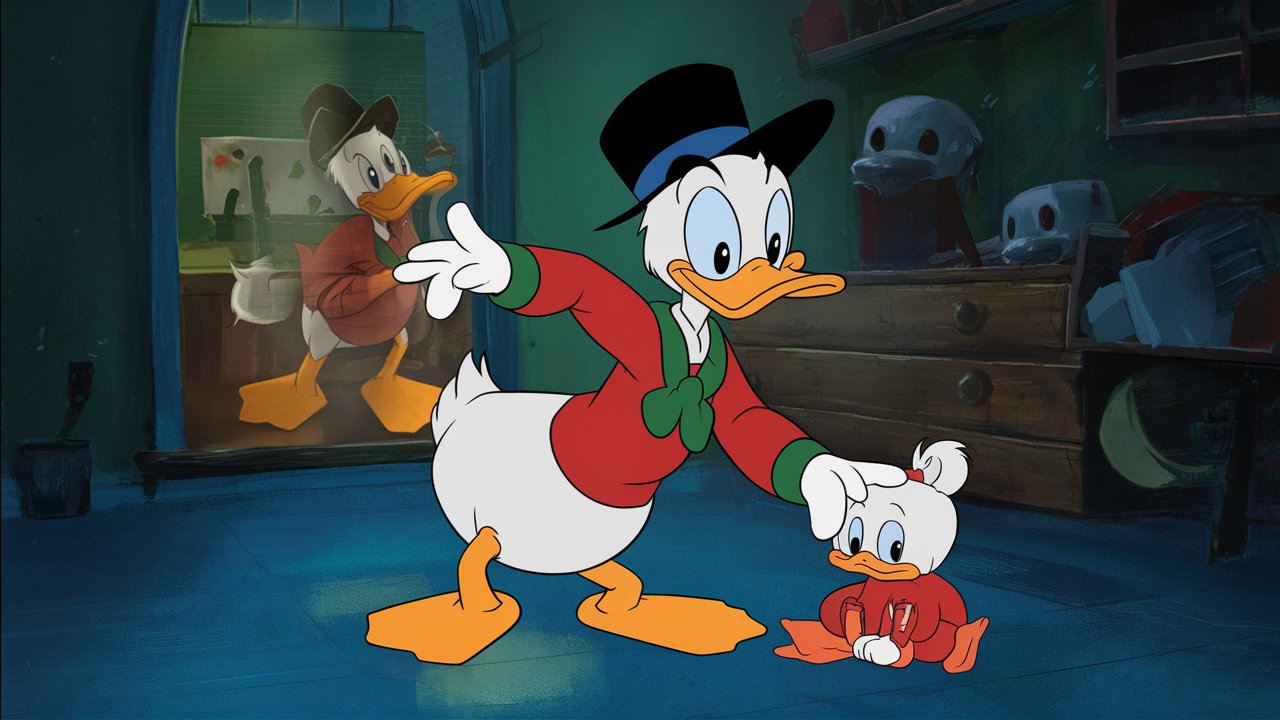
Duck cartoon have been a beloved part of animation history for decades, captivating audiences of all ages with their humor, wit, and expressive personalities. From classic characters like Donald Duck and Daffy Duck to modern animated ducks in children’s shows and movies, these feathered icons have left an unforgettable mark on popular culture. The appeal of duck cartoon lies in their ability to blend comedy, adventure, and emotion, making them relatable and entertaining for both kids and adults. Understanding the evolution, significance, and impact of duck cartoons helps appreciate how these animated characters continue to shape the world of entertainment.
The History of Duck Cartoons
The history of duck cartoons dates back to the early 20th century when animation studios began experimenting with anthropomorphic animal characters. Walt Disney introduced Donald Duck in 1934, a character who quickly became one of the most recognizable figures in animation. Around the same time, Warner Bros. created Daffy Duck, known for his eccentric and unpredictable personality. These early duck cartoons set the foundation for animated storytelling, combining slapstick humor with clever dialogue and expressive animation. Over the years, duck cartoons evolved from black-and-white shorts to colorful, high-definition productions, maintaining their popularity across generations.
Famous Duck Cartoon Characters
Several duck cartoon characters have become cultural icons, each with unique traits that make them memorable. Donald Duck, with his sailor outfit and temperamental personality, represents the everyman who faces life’s frustrations with humor. Daffy Duck, on the other hand, is known for his chaotic energy and rivalry with Bugs Bunny, embodying the spirit of mischief and resilience. Scrooge Mc Duck, from Disney’s Duck Tales, symbolizes adventure and wealth, taking viewers on treasure hunts around the world. Modern duck characters like Howard the Duck and Launchpad Mc Quack have also contributed to the genre’s diversity, proving that duck cartoons can adapt to different storytelling styles and audiences.
The Appeal of Duck Cartoons for Children
Duck cartoons have always been a favorite among children because of their colorful animation, funny voices, and engaging storylines. The exaggerated expressions and comical movements of duck characters make them instantly appealing to young viewers. Moreover, duck cartoons often teach valuable lessons about friendship, honesty, and perseverance through lighthearted adventures. Shows like Duck Tales and The Mighty Ducks: The Animated Series combine humor with moral storytelling, helping children learn important values while being entertained. The universal charm of duck cartoons ensures that they remain a staple in children’s programming across television and streaming platforms.
Duck Cartoons in Modern Animation
In the modern era, duck cartoons have evolved with advancements in animation technology and storytelling techniques. Today’s duck cartoons feature high-quality graphics, digital animation, and complex narratives that appeal to both kids and adults. Streaming platforms like Disney+ and Netflix have revived classic duck characters through reboots and new series, introducing them to younger audiences. For example, the 2017 reboot of Duck Tales brought back beloved characters with updated animation and fresh storylines while maintaining the nostalgic essence of the original. The continued success of duck cartoons in modern media highlights their timeless appeal and adaptability in an ever-changing entertainment landscape.
The Symbolism of Ducks in Animation
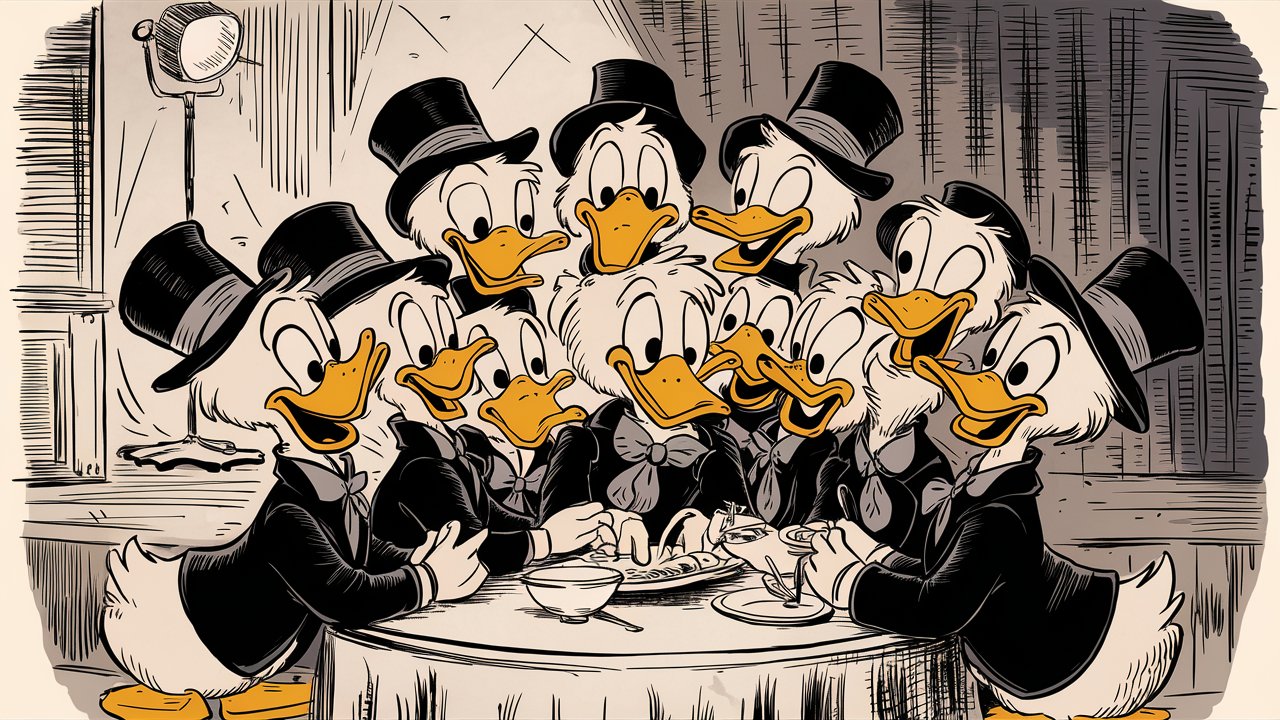
Ducks in animation often symbolize humor, adaptability, and resilience. Their ability to navigate both land and water makes them versatile characters that can fit into various storylines and settings. In many duck cartoons, these characters face challenges with determination and creativity, reflecting human emotions and experiences. The comedic nature of ducks also allows animators to explore exaggerated expressions and physical comedy, making them ideal for slapstick humor. Whether portrayed as heroes, sidekicks, or troublemakers, animated ducks embody a balance of innocence and mischief that resonates with audiences worldwide.
The Cultural Impact of Duck Cartoons
Duck cartoons have had a profound influence on global pop culture, inspiring merchandise, theme park attractions, and even video games. Characters like Donald Duck and Scrooge Mc Duck have become symbols of the Disney brand, appearing in countless films, comics, and television shows. Daffy Duck’s catchphrases and antics have become part of everyday language, demonstrating the lasting impact of these animated icons. Beyond entertainment, duck cartoons have also influenced art, fashion, and advertising, proving their versatility as cultural symbols. Their ability to entertain while reflecting human nature ensures that duck cartoons remain relevant across generations.
Educational Value of Duck Cartoons
While duck cartoon are primarily designed for entertainment, they also offer educational value. Many shows incorporate themes of teamwork, problem-solving, and emotional intelligence. For instance, Duck Tales teaches lessons about family, courage, and curiosity through adventurous storytelling. The humor and relatability of duck characters make it easier for children to absorb these lessons without feeling lectured. Additionally, duck cartoons often introduce young viewers to different cultures, historical references, and moral dilemmas, encouraging critical thinking and empathy. This blend of fun and education makes duck cartoons a valuable tool for both entertainment and learning.
The Future of Duck Cartoons
The future of duck cartoon looks promising as animation continues to evolve with new technologies and creative storytelling. With the rise of digital platforms and global audiences, duck cartoons are reaching more viewers than ever before. Studios are experimenting with 3D animation, virtual reality, and interactive storytelling to create immersive experiences for fans. The enduring popularity of classic characters ensures that duck cartoons will continue to inspire new generations of animators and storytellers. As long as audiences crave humor, adventure, and heartwarming stories, duck cartoon will remain a cherished part of the animation world.
Conclusion
Duck cartoon have stood the test of time, evolving from simple black-and-white shorts to vibrant, high-definition adventures that captivate audiences around the world. Their blend of humor, emotion, and creativity has made them an integral part of animation history. From the mischievous Daffy Duck to the lovable Donald Duck and the adventurous Scrooge Mc Duck, these characters continue to entertain and inspire. The universal appeal of duck cartoon lies in their ability to connect with viewers of all ages, offering laughter, lessons, and nostalgia in every story. As animation technology advances, the legacy of duck cartoons will continue to thrive, proving that these feathered icons are truly timeless.
Frequently Asked Questions
1. What are duck cartoons?
Duck cartoons are animated shows or films featuring duck characters, often portrayed with human-like traits, humor, and adventurous storylines.
2. Who are the most famous duck cartoon characters?
Some of the most famous duck cartoon characters include Donald Duck, Daffy Duck, Scrooge Mc Duck, and Launchpad Mc Quack.
3. Why are duck cartoons so popular?
Duck cartoons are popular because of their humor, expressive animation, and relatable characters that appeal to both children and adults.
4. What is the oldest duck cartoon?
One of the earliest duck cartoons is Disney’s The Wise Little Hen (1934), which introduced Donald Duck to the world.
5. Are duck cartoons educational for children?
Yes, many duck cartoons teach valuable lessons about friendship, teamwork, and perseverance while keeping children entertained.
6. Where can I watch duck cartoons online?
Duck cartoons are available on platforms like Disney+, YouTube, and other streaming services that feature classic and modern animated shows.
7. What makes Donald Duck different from Daffy Duck?
Donald Duck is known for his short temper and good heart, while Daffy Duck is more chaotic, self-centered, and comically unpredictable.
8. Are there modern duck cartoons?
Yes, modern duck cartoons like the DuckTales reboot and The Mighty Ducks: Game Changers continue to entertain new audiences.
9. What do ducks symbolize in animation?
In animation, ducks often symbolize humor, adaptability, and resilience, reflecting human emotions and experiences.
10. Will duck cartoons remain popular in the future?
Yes, duck cartoons are timeless due to their universal appeal, evolving animation styles, and ability to connect with audiences across generations.
