
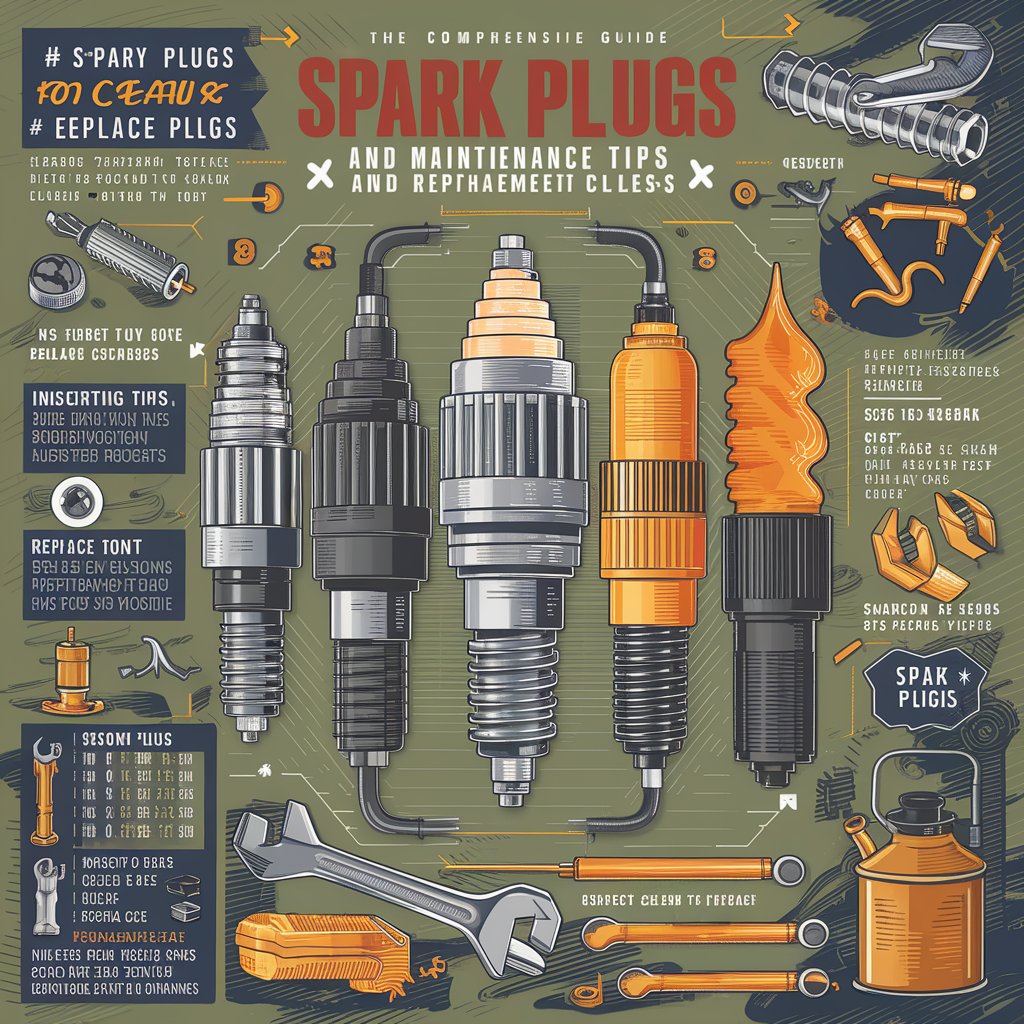
For every car owner or automotive enthusiast, one of the most common questions is: “how long do spark plugs last?” Spark plugs are critical components of your engine’s ignition system, responsible for delivering the spark that ignites the fuel-air mixture in the combustion chamber. Their condition directly affects engine performance, fuel efficiency, and overall vehicle reliability. Over time, spark plugs wear out due to heat, friction, and carbon buildup. Understanding their lifespan, signs of wear, and proper maintenance is essential to avoid engine misfires, reduced performance, or costly repairs. This comprehensive guide will explore spark plug longevity, factors affecting their lifespan, maintenance tips, and replacement schedules to keep your vehicle running efficiently.
What Determines the Lifespan of Spark Plugs?
The lifespan of spark plugs depends on multiple factors, including vehicle type, engine performance, driving conditions, and spark plug material. Traditional copper spark plugs typically last around 20,000 to 30,000 miles, whereas platinum or iridium spark plugs can last 60,000 to 120,000 miles, depending on the manufacturer’s specifications. Engines that operate under extreme conditions, such as high temperatures or heavy load, can reduce spark plug longevity. Conversely, smooth highway driving and regular engine maintenance can extend their lifespan. Understanding the type of spark plug installed in your vehicle is critical to determine when replacement is necessary and to avoid premature engine wear or misfires.
Types of Spark Plugs and Their Lifespan
-
Copper Spark Plugs: Known for their excellent conductivity, copper spark plugs typically last between 20,000 and 30,000 miles. They are ideal for older vehicles with lower performance demands but require more frequent replacement.
-
Platinum Spark Plugs: These plugs have a longer lifespan, usually 60,000 miles, and offer improved durability under higher temperatures and stress. They are commonly used in modern vehicles for better performance and efficiency.
-
Iridium Spark Plugs: The most durable option, iridium spark plugs can last up to 100,000 to 120,000 miles. They provide superior ignition efficiency, resist wear, and maintain performance over extended periods, making them ideal for high-performance engines.
Selecting the right spark plug type based on your vehicle’s engine and driving habits ensures optimal performance and reduces maintenance frequency.
Signs Your Spark Plugs Need Replacement
Even if your spark plugs have not reached their expected mileage, certain symptoms indicate they may need replacement sooner:
-
Engine Misfires: One of the most common signs, misfires can cause rough idling and reduced acceleration.
-
Difficulty Starting the Engine: Worn plugs make ignition harder, increasing starter strain.
-
Reduced Fuel Efficiency: Damaged spark plugs fail to ignite fuel efficiently, causing higher fuel consumption.
-
Unusual Engine Sounds: Popping, knocking, or rattling noises may indicate spark plug wear.
-
Check Engine Light: Modern vehicles may trigger warning lights if spark plugs are malfunctioning.
Regular inspection and timely replacement of spark plugs can prevent engine damage and maintain smooth operation.
Tips to Extend Spark Plug Lifespan
While spark plug lifespan depends on material and engine conditions, following these tips can help extend their life:
-
Regular Engine Maintenance: Replace air filters, fuel filters, and clean engine components to reduce spark plug strain.
-
Avoid Short Trips: Frequent short trips prevent the engine from reaching optimal operating temperature, causing carbon buildup on spark plugs.
-
Use Quality Fuel: Premium or cleaner fuels reduce deposits and enhance spark plug performance.
-
Check Ignition System: Ensure wires, coils, and connectors are functioning correctly to avoid overloading spark plugs.
-
Follow Manufacturer Recommendations: Always refer to your vehicle’s manual for maintenance schedules and spark plug specifications.
By combining proper maintenance with careful driving habits, you can maximize spark plug performance and longevity.
How Often Should Spark Plugs Be Replaced?
Replacement intervals vary depending on plug type and vehicle:
-
Copper Spark Plugs: Every 20,000–30,000 miles
-
Platinum Spark Plugs: Every 60,000 miles
-
Iridium Spark Plugs: Every 100,000–120,000 miles
Always consult your vehicle’s manual for recommended intervals, and consider early replacement if you notice symptoms of wear.
Conclusion
Spark plugs are small but essential components of your engine that directly impact performance, fuel efficiency, and reliability. Knowing how long spark plugs last, recognizing the signs of wear, and following proper maintenance schedules can prevent engine problems and costly repairs. Whether you have copper, platinum, or iridium spark plugs, adhering to replacement guidelines and practicing regular engine care ensures optimal vehicle operation. By understanding spark plug longevity and implementing these tips, car owners can enjoy smoother drives, better fuel economy, and prolonged engine life.
❓ Frequently Asked Questions (FAQ)
1. How long do spark plugs last?
Depending on the type, copper plugs last 20,000–30,000 miles, platinum 60,000 miles, and iridium up to 100,000–120,000 miles.
2. Can I drive with worn spark plugs?
It is not recommended, as worn plugs can cause misfires, reduced fuel efficiency, and engine damage.
3. How do I know if my spark plugs need replacement?
Signs include engine misfires, difficulty starting, reduced fuel efficiency, unusual engine sounds, and the check engine light.
4. What type of spark plugs should I use?
Choose based on your vehicle and driving conditions. Copper is for older cars, platinum for regular use, and iridium for high-performance engines.
5. Can I extend the life of my spark plugs?
Yes, through regular engine maintenance, using quality fuel, avoiding short trips, and checking the ignition system regularly.
