
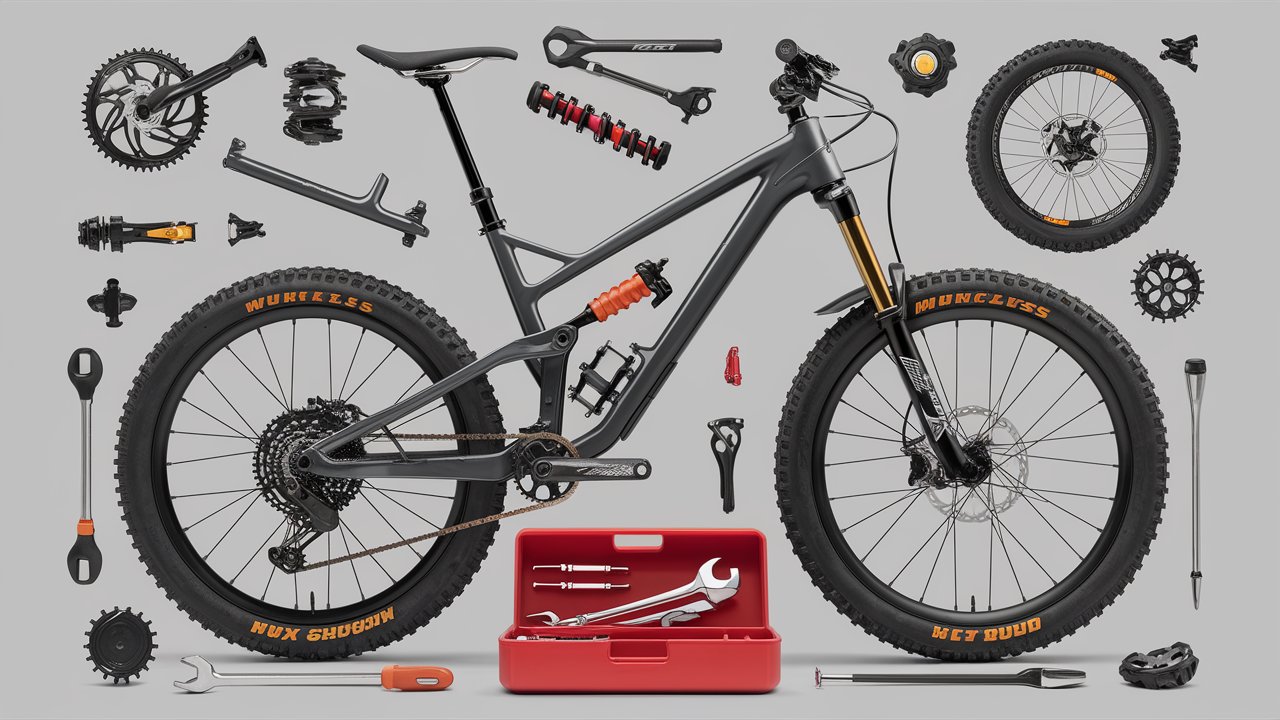
Understanding mountain bike parts is essential for anyone passionate about cycling, whether a beginner exploring trails for the first time or an experienced rider upgrading their setup for better performance. Every component of a mountain bike plays a crucial role in how it handles, performs, and endures the challenges of rugged terrain. From the frame and suspension to the drivetrain and brakes, each part contributes to the overall riding experience. Choosing the right components can significantly enhance comfort, control, and efficiency on the trail. This comprehensive guide explores the key mountain bike parts, their functions, and how to select the best options for different riding styles and terrains.
Essential Mountain Bike Parts and Their Functions
A mountain bike is a complex machine made up of several interconnected parts that work together to deliver performance, comfort, and control. The frame is the foundation of the bike, determining its geometry, weight, and strength. Frames are typically made from aluminum, carbon fiber, steel, or titanium, each offering different benefits in terms of durability and ride quality. The suspension system—either front (hardtail) or full (dual)—absorbs shocks from rough terrain, improving traction and comfort. The drivetrain, which includes the crankset, chain, cassette, and derailleurs, controls power transfer from the rider to the wheels. The brakes, usually hydraulic or mechanical disc brakes, provide stopping power and safety on steep descents. The wheels and tires influence grip, rolling resistance, and stability, while the handlebars, stem, and saddle affect comfort and control. Understanding how each part functions helps riders make informed decisions when maintaining or upgrading their bikes.
Best Mountain Bike Parts for Performance and Durability
When it comes to performance, investing in high-quality mountain bike parts can make a significant difference. The suspension fork is one of the most critical components, as it determines how well the bike handles bumps and obstacles. Brands like RockShox and Fox are known for producing reliable forks with adjustable settings for different terrains. The drivetrain is another area where quality matters—modern 1x systems (single front chainring) from Shimano or SRAM offer smooth shifting and reduced weight. For braking, hydraulic disc brakes provide superior modulation and power compared to mechanical systems, making them ideal for technical trails. Wheels with tubeless-ready rims and durable hubs enhance traction and reduce the risk of flats, while tires with aggressive tread patterns improve grip on loose or muddy surfaces. Upgrading to lightweight carbon handlebars and seat posts can also reduce fatigue and improve handling. Durability is key in mountain biking, so choosing parts that can withstand harsh conditions ensures long-term reliability and performance.
How to Choose the Right Mountain Bike Parts for Your Riding Style
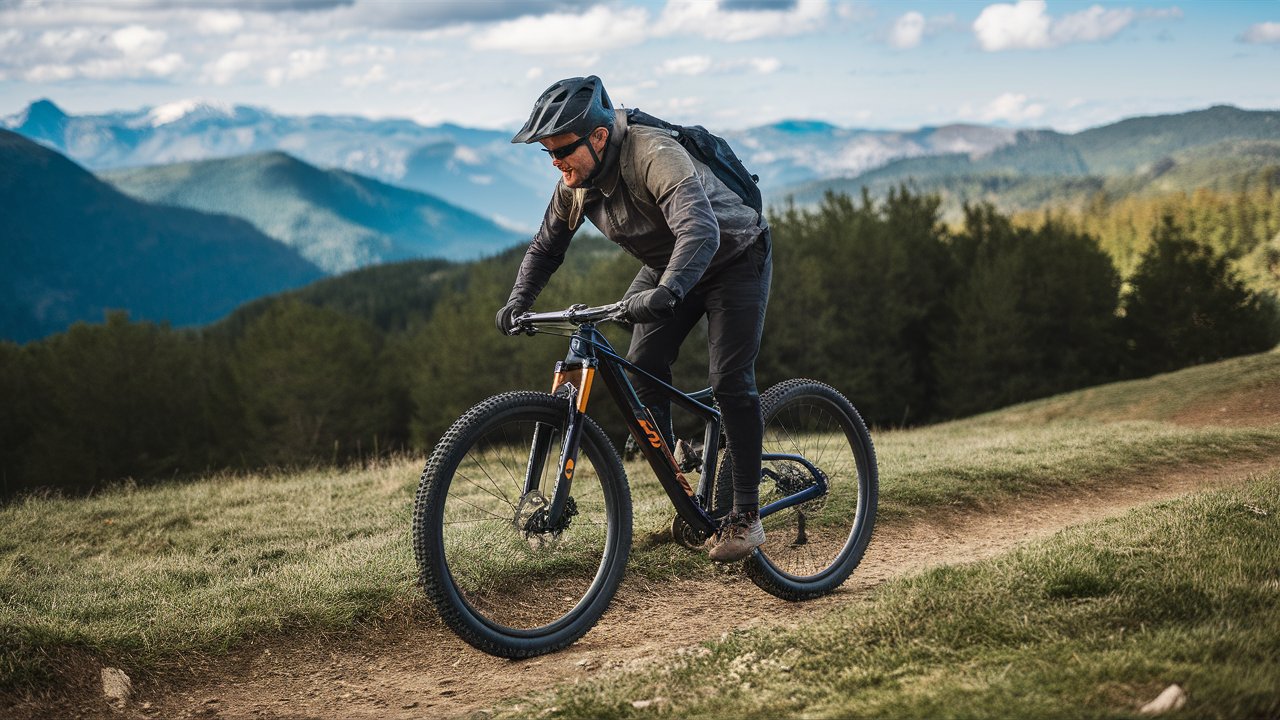
Selecting the right mountain bike parts depends largely on the type of riding and terrain. For cross-country (XC) riders, lightweight components that prioritize speed and efficiency are ideal. A hardtail frame with a front suspension fork, narrow tires, and a wide gear range suits long-distance climbs and smoother trails. Trail riders, who encounter a mix of climbs and descents, benefit from full-suspension bikes with mid-travel forks (120–150mm) and versatile tires that balance grip and rolling speed. Enduro and downhill riders require heavy-duty parts designed for aggressive riding—long-travel suspension (160–180mm), wide handlebars for control, and powerful brakes for steep descents. The drivetrain setup also varies; while XC riders prefer multiple gears for climbing, downhill riders often use simpler setups for reliability. Comfort-focused parts like ergonomic grips, padded saddles, and adjustable seat posts enhance the overall experience. Matching components to riding style ensures optimal performance and safety on every trail.
Upgrading Mountain Bike Parts: A Complete Guide
Upgrading mountain bike parts is one of the best ways to improve performance and personalize your ride. Start by identifying which components will have the most noticeable impact. Upgrading the suspension fork or rear shock can transform how the bike handles rough terrain, offering smoother rides and better control. Replacing the drivetrain with a modern 1x system simplifies shifting and reduces maintenance. Wheel upgrades—especially switching to lighter, stronger rims—can improve acceleration and climbing efficiency. For riders seeking better braking performance, upgrading to hydraulic disc brakes provides more consistent stopping power. Cockpit components like handlebars, stems, and grips can also enhance comfort and handling precision. When upgrading, ensure compatibility between parts, as mixing components from different systems can cause performance issues. Regular maintenance, such as cleaning, lubrication, and torque checks, extends the lifespan of new parts and keeps the bike performing at its best.
Maintenance Tips for Mountain Bike Parts
Proper maintenance of mountain bike parts is essential for safety and longevity. After every ride, especially in muddy or wet conditions, clean the bike thoroughly to prevent dirt buildup that can damage moving parts. Lubricate the chain regularly to ensure smooth shifting and reduce wear. Check the brake pads and rotors for signs of wear, replacing them when necessary to maintain stopping power. Inspect the tires for cuts or punctures and maintain proper air pressure for optimal traction. Suspension components should be serviced periodically according to manufacturer recommendations to preserve performance. Tighten bolts and check for loose parts before every ride to prevent mechanical failures. Regular maintenance not only improves performance but also saves money by preventing costly repairs in the long run.
Conclusion
Understanding and maintaining mountain bike parts is the foundation of a great riding experience. Each component—from the frame and suspension to the drivetrain and brakes—plays a vital role in performance, comfort, and safety. Whether building a bike from scratch or upgrading existing parts, choosing quality components tailored to your riding style ensures better control, durability, and enjoyment on the trail. Investing time in learning about your bike’s mechanics and performing regular maintenance will keep it running smoothly for years. Mountain biking is not just about the ride—it’s about the connection between rider and machine, and knowing your bike inside and out enhances that bond. With the right parts and care, every trail becomes an opportunity for adventure and mastery.
