
Exploring the rugged landscapes of Snowdonia requires more than just enthusiasm—it demands the right gear, especially a reliable pair of walking boots. The unpredictable weather, rocky trails, and steep ascents of this Welsh national park make footwear one of the most critical investments for hikers. This comprehensive Snowdonia walking boots review highlights the best options available, focusing on comfort, durability, waterproofing, and traction. Whether tackling Mount Snowdon or wandering through the serene valleys, the right boots can make every step more enjoyable and secure.
1. Best Walking Boots for Snowdonia: What to Look For
When choosing snowdonia walking boots review several factors determine performance and comfort. The terrain varies from wet, boggy paths to rocky ridges, so waterproofing and grip are essential. Look for boots made from high-quality leather or synthetic materials with Gore-Tex linings to keep feet dry. A sturdy sole with deep lugs ensures traction on slippery surfaces, while ankle support prevents injuries on uneven ground. Breathability is also crucial, as it helps regulate temperature during long hikes. The best walking boots for Snowdonia combine these features to provide stability, comfort, and protection in all conditions.
2. Top-Rated Snowdonia Walking Boots for Men
Men’s walking boots designed for Snowdonia often emphasize durability and support. The Scarpa Terra GTX is a standout choice, offering a balance of comfort and ruggedness. Its full-grain leather upper and Gore-Tex lining provide excellent waterproofing, while the Vibram sole ensures superior grip on wet rocks. Another top contender is the Salomon Quest 4 GTX, known for its advanced chassis system that enhances stability on steep climbs. For those seeking lightweight performance, the Merrell Moab 3 Mid Waterproof offers flexibility and cushioning ideal for long-distance treks. Each of these boots performs exceptionally well in Snowdonia’s challenging conditions, ensuring comfort and confidence on every trail.
3. Best Snowdonia Walking Boots for Women
Women’s walking boots for Snowdonia are designed with a focus on fit, comfort, and performance. The Berghaus Expeditor Ridge 2.0 is a popular choice, offering a waterproof suede upper and an Opti-Stud sole for reliable traction. The Salomon X Ultra 4 Mid GTX provides excellent ankle support and a lightweight feel, making it perfect for fast-paced hikes. For those who prefer traditional leather boots, the Meindl Bhutan Lady MFS offers exceptional comfort and durability, adapting to the shape of the foot over time. These boots are built to handle Snowdonia’s diverse terrain, from muddy trails to rocky summits, ensuring stability and protection throughout the journey.
4. Waterproof Walking Boots for Snowdonia’s Wet Weather
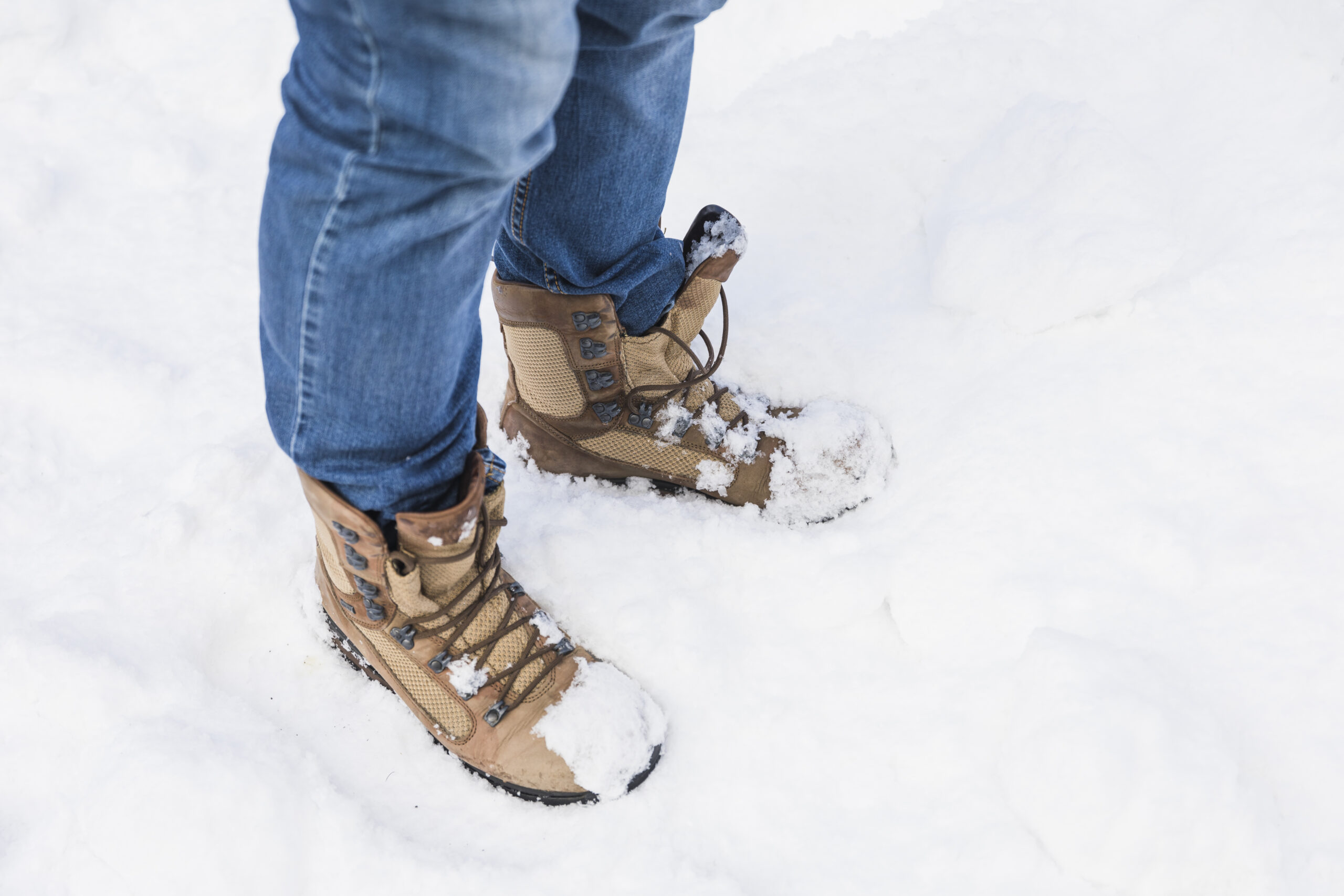
Snowdonia’s weather is famously unpredictable, with rain often appearing without warning. Waterproof walking boots are therefore essential. Gore-Tex technology remains the gold standard for waterproofing, offering a breathable yet impenetrable barrier against moisture. The Lowa Renegade GTX Mid and Keen Targhee III Waterproof are excellent examples, combining waterproof membranes with moisture-wicking linings to keep feet dry and comfortable. It’s also important to maintain waterproof boots properly by cleaning and reproofing them regularly. This ensures long-lasting protection and performance, even after repeated exposure to rain and mud.
5. Lightweight vs. Heavy-Duty Boots: Which Are Better for Snowdonia?
Choosing between lightweight and heavy-duty boots depends on the type of hiking planned in Snowdonia. Lightweight boots, such as the Salomon X Ultra 4, are ideal for day hikes and well-maintained trails, offering flexibility and comfort. Heavy-duty boots, like the Meindl Bhutan MFS, provide superior ankle support and durability for multi-day treks or challenging routes like Crib Goch. While lightweight boots reduce fatigue, heavy-duty models offer better protection and stability on rough terrain. The best choice ultimately depends on personal preference, hiking style, and the specific routes being explored.
6. How to Care for Walking Boots After a Snowdonia Hike
Proper care extends the life of walking boots and maintains their performance. After each hike, remove dirt and mud using a soft brush and lukewarm water. Avoid drying boots near direct heat sources, as this can damage the materials. Once dry, apply a waterproofing treatment suitable for the boot’s material—wax for leather and spray for synthetic fabrics. Regularly check the soles for wear and replace insoles if they lose cushioning. With consistent maintenance, walking boots can remain reliable companions for many Snowdonia adventures.
Conclusion
The right pair of walking boots can transform the snowdonia walking boots review hiking experience, providing comfort, safety, and confidence on every trail. From waterproof protection to superior grip and ankle support, the best Snowdonia walking boots are designed to handle the region’s demanding conditions. Whether choosing lightweight flexibility or heavy-duty durability, investing in quality footwear ensures that every step through Snowdonia’s breathtaking landscapes is both enjoyable and secure.
FAQs
1. What are the best walking boots for Snowdonia?
Top-rated options include the Scarpa Terra GTX, Salomon Quest 4 GTX, and Meindl Bhutan MFS, all known for their durability, comfort, and waterproofing.
2. Are waterproof boots necessary for Snowdonia?
Yes, Snowdonia’s weather is unpredictable, and waterproof boots are essential to keep feet dry and comfortable during hikes.
3. How should walking boots fit for hiking in Snowdonia?
Boots should fit snugly around the heel and midfoot with enough room in the toe box to prevent blisters and discomfort on descents.
4. How often should walking boots be reproofed?
Reproofing should be done every few months or after several wet hikes to maintain waterproof performance.
5. Are lightweight boots suitable for Snowdonia?
Lightweight boots are suitable for shorter hikes and well-maintained trails, while heavy-duty boots are better for rugged, multi-day treks.
