
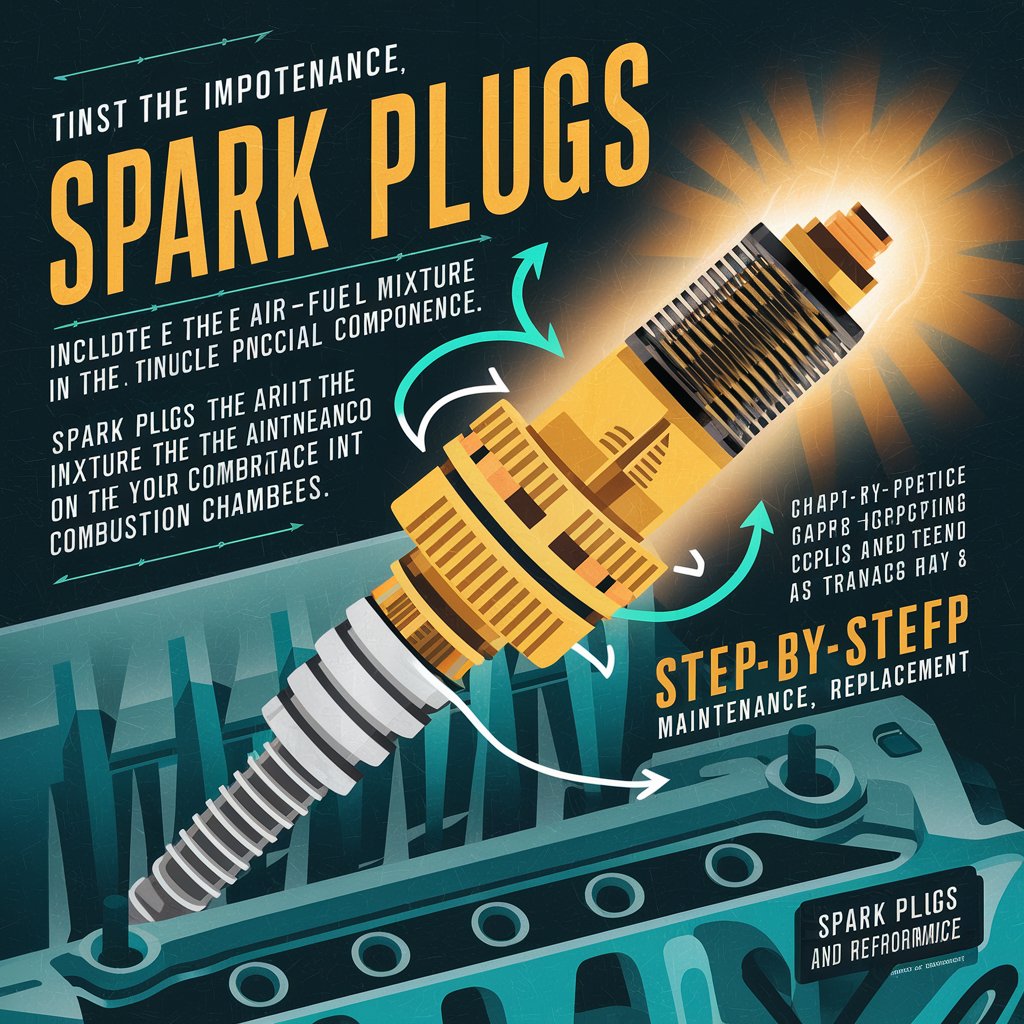
One of the most common questions among car owners and automotive enthusiasts is: “what do spark plugs do?” Spark plugs are small but vital components of your vehicle’s engine, responsible for igniting the fuel-air mixture inside the combustion chamber. This ignition process powers your car, allowing it to run smoothly and efficiently. Without properly functioning spark plugs, engines can misfire, fuel efficiency decreases, and performance suffers. Understanding the role of spark plugs, how they work, and how to maintain them is essential for every vehicle owner. This guide explores their function, significance, maintenance, and practical tips to keep your engine running at its best.
The Function of Spark Plugs
At their core, spark plugs serve a single but crucial purpose: igniting the fuel-air mixture in the engine cylinders. Each spark plug produces a high-voltage spark at precisely the right moment, ensuring that fuel combusts efficiently. This combustion generates the energy needed to move pistons, which in turn powers the engine and drives your vehicle. Spark plugs also help maintain engine temperature and emission efficiency, making them critical to overall vehicle performance. Essentially, without spark plugs, your car simply would not start or run effectively.
How Spark Plugs Affect Engine Performance
Spark plugs are directly linked to your engine’s performance. When spark plugs are in good condition, they provide consistent ignition, leading to smooth acceleration, optimal fuel consumption, and reduced exhaust emissions. Worn or damaged spark plugs, on the other hand, can cause engine misfires, rough idling, decreased power, and increased fuel consumption. The type of spark plug—copper, platinum, or iridium—also affects performance, as more durable materials like iridium provide better longevity and more efficient sparks for high-performance engines.
Different Types of Spark Plugs and Their Functions
-
Copper Spark Plugs: Excellent electrical conductivity but shorter lifespan. Ideal for older or low-performance engines.
-
Platinum Spark Plugs: Longer lifespan and higher durability than copper, suitable for modern vehicles with standard performance.
-
Iridium Spark Plugs: Highly durable and long-lasting, providing superior ignition efficiency for high-performance or modern engines.
Each type is designed to optimize ignition efficiency and engine performance based on the car’s design and the driving conditions.
Signs Your Spark Plugs Need Attention
Even though spark plugs can last tens of thousands of miles depending on their type, certain symptoms indicate that replacement or maintenance is needed:
-
Engine Misfires: Sparks may not ignite fuel properly, causing jerking or hesitation.
-
Difficulty Starting the Engine: Worn plugs make ignition less effective, increasing starter strain.
-
Reduced Fuel Efficiency: Damaged plugs burn fuel less efficiently, raising consumption.
-
Rough Idling or Strange Sounds: Popping, rattling, or knocking noises can signal plug wear.
-
Illuminated Check Engine Light: Modern vehicles monitor spark plug performance and alert the driver when issues arise.
Regular inspection and timely replacement can prevent more serious engine damage and maintain performance.
Maintenance Tips for Spark Plugs
Proper care can extend the life of your spark plugs and improve engine performance:
-
Regular Engine Checks: Inspect spark plugs during routine maintenance and follow replacement schedules.
-
Use Quality Fuel: Cleaner fuel reduces carbon buildup on plugs, ensuring more efficient ignition.
-
Drive Smoothly: Avoid frequent short trips that prevent the engine from reaching optimal operating temperature.
-
Check Ignition System: Ensure wires, coils, and connectors are functioning to prevent overloading spark plugs.
-
Follow Manufacturer Recommendations: Always adhere to your car’s manual for specific spark plug types and intervals.
By combining good driving habits with regular maintenance, spark plugs can last longer and maintain engine efficiency.
Conclusion
Spark plugs are small but essential components that power your car, maintain fuel efficiency, and ensure optimal engine performance. Understanding what spark plugs do, how they function, and how to maintain them is crucial for any vehicle owner. Whether you have copper, platinum, or iridium spark plugs, proper care and timely replacement will prevent engine misfires, save fuel, and extend your vehicle’s lifespan. By following recommended maintenance tips and keeping an eye out for warning signs, you can ensure that your spark plugs—and your engine—continue to perform at their best for years to come.
❓ Frequently Asked Questions (FAQ)
1. What do spark plugs do?
Spark plugs ignite the fuel-air mixture in the engine’s combustion chamber, producing the energy needed to power your car.
2. How often should spark plugs be replaced?
Copper spark plugs: 20,000–30,000 miles; Platinum: 60,000 miles; Iridium: 100,000–120,000 miles. Always check the vehicle manual.
3. Can I drive with bad spark plugs?
Driving with worn or damaged spark plugs can cause misfires, reduced fuel efficiency, and engine damage. Timely replacement is recommended.
4. How do I know if my spark plugs are bad?
Signs include engine misfires, rough idling, poor acceleration, decreased fuel efficiency, and a check engine light.
5. Do different spark plugs affect car performance?
Yes. Copper plugs are basic but short-lived, platinum lasts longer and performs better, while iridium provides the best efficiency and longevity for modern engines.
