
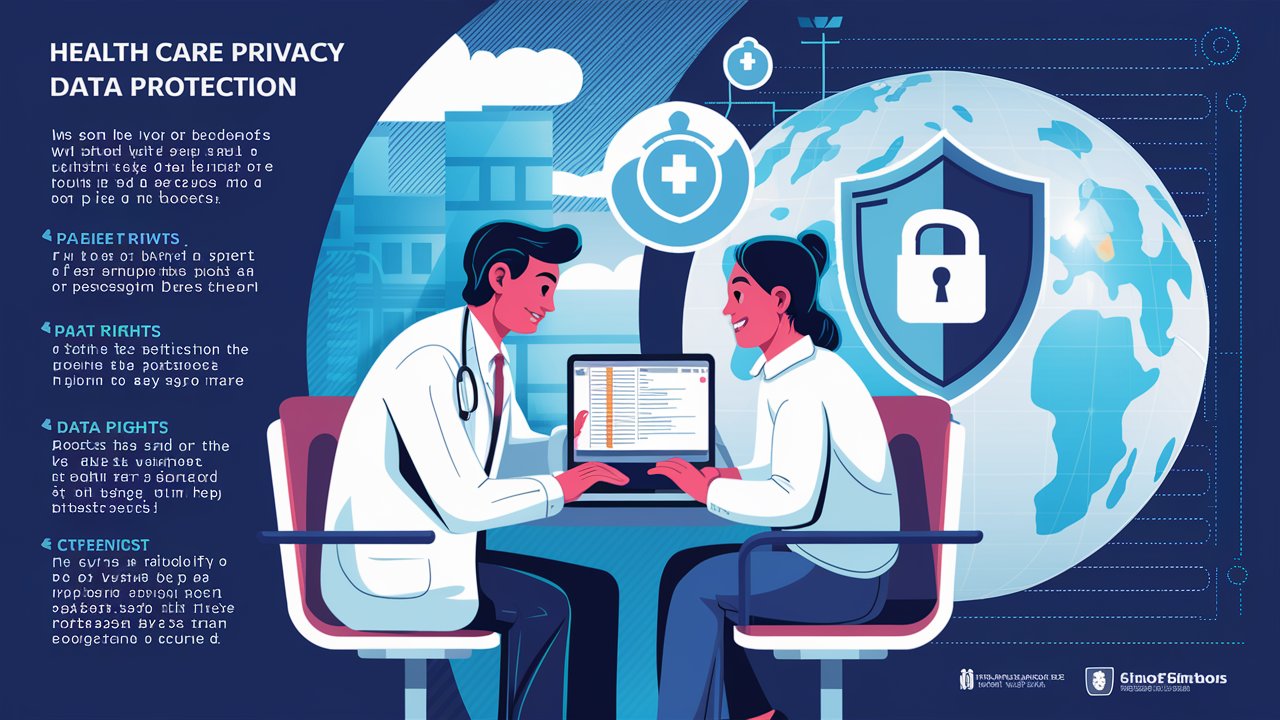
In today’s digital era, health care privacy has become one of the most critical aspects of the medical industry. With the increasing use of electronic health records, telemedicine, and data-sharing platforms, protecting patient information has never been more important. health care privacy part 6 focuses on the evolving landscape of patient data protection, exploring how healthcare providers, institutions, and governments are working to ensure confidentiality, security, and compliance. This part delves into the legal frameworks, ethical responsibilities, and technological advancements that shape modern healthcare privacy. As the healthcare system becomes more interconnected, understanding these principles is essential for both professionals and patients to maintain trust and integrity in medical care.
The Evolution of Health Care Privacy
Health care privacy has evolved significantly over the past few decades. In the early days of medicine, patient confidentiality was primarily an ethical obligation between doctors and patients. However, as technology advanced and medical records became digitized, privacy concerns expanded beyond the doctor’s office. The introduction of electronic health records (EHRs) and cloud-based storage systems made it easier to access and share patient data, but it also increased the risk of breaches and unauthorized access. Health Care Privacy Part 6 highlights how modern regulations, such as the Health Insurance Portability and Accountability Act (HIPAA) in the United States, have established strict guidelines for handling patient information. These laws ensure that healthcare providers maintain confidentiality while allowing necessary data sharing for treatment, billing, and research purposes.
Legal Frameworks and Compliance Requirements
The foundation of healthcare privacy lies in legal frameworks designed to protect patient information. HIPAA, enacted in 1996, remains one of the most influential laws governing healthcare privacy in the United States. It sets standards for the use, disclosure, and protection of health information, ensuring that patients have control over their data. Other countries have implemented similar regulations, such as the General Data Protection Regulation (GDPR) in the European Union, which provides even stricter guidelines for data handling and consent. health care privacy part 6 emphasizes that compliance with these laws is not optional—it is a legal and ethical necessity. Healthcare organizations must implement policies, training, and security measures to prevent data breaches and ensure that patient information is used responsibly. Non-compliance can result in severe penalties, reputational damage, and loss of patient trust.
The Role of Technology in Health Care Privacy
Technology has transformed healthcare delivery, but it has also introduced new challenges in maintaining privacy. Electronic health records, telehealth platforms, and wearable health devices collect vast amounts of personal data daily. While these innovations improve efficiency and patient outcomes, they also create potential vulnerabilities. health care privacy part 6 explores how encryption, secure networks, and multi-factor authentication are essential tools for protecting sensitive information. Artificial intelligence and machine learning are also being used to detect unusual activity and prevent cyberattacks. However, as technology evolves, so do the methods used by hackers and cybercriminals. Therefore, continuous investment in cybersecurity infrastructure and staff training is crucial to safeguard patient data in an increasingly digital healthcare environment.

Patient Rights and Responsibilities
One of the key aspects of health care privacy part 6 is understanding patient rights. Patients have the right to access their medical records, request corrections, and control who can view their information. They also have the right to be informed about how their data is used and shared. Healthcare providers are obligated to obtain patient consent before disclosing information to third parties, except in specific cases such as emergencies or legal requirements. However, patients also share responsibility in protecting their privacy. They should be cautious when sharing personal health information online, using mobile apps, or communicating through unsecured channels. Awareness and education play a vital role in ensuring that both patients and providers uphold privacy standards.
Challenges in Maintaining Health Care Privacy
Despite strict regulations and advanced technology, maintaining healthcare privacy remains a complex challenge. Data breaches, insider threats, and human error continue to pose significant risks. Hospitals and clinics often face difficulties balancing accessibility with security—ensuring that authorized personnel can access patient data quickly while preventing unauthorized access. Health Care Privacy Part 6 discusses how the growing use of third-party vendors and cloud services adds another layer of complexity. Each partner in the healthcare ecosystem must adhere to the same privacy standards to prevent weak links in the chain. Additionally, the rise of telemedicine during the COVID-19 pandemic has increased the need for secure communication platforms that protect patient confidentiality during virtual consultations.
The Ethical Dimension of Health Care Privacy
Beyond legal compliance, healthcare privacy is deeply rooted in ethics. The principle of confidentiality is a cornerstone of medical ethics, fostering trust between patients and healthcare providers. When patients believe their information is safe, they are more likely to share accurate details, leading to better diagnosis and treatment. health care privacy part 6 emphasizes that ethical responsibility extends beyond following regulations—it involves creating a culture of respect for patient autonomy and dignity. Healthcare professionals must be trained to handle sensitive information with care, understanding that privacy breaches can have emotional, financial, and social consequences for patients. Upholding ethical standards ensures that privacy remains a fundamental part of compassionate and responsible healthcare.
The Future of Health Care Privacy
As healthcare continues to evolve, so will the challenges and opportunities surrounding privacy. Emerging technologies such as blockchain, artificial intelligence, and big data analytics have the potential to revolutionize data security and transparency. Blockchain, for example, can create tamper-proof records that enhance trust and accountability. However, these innovations also raise new questions about data ownership, consent, and ethical use. Health Care Privacy Part 6 looks ahead to a future where privacy protection must adapt to rapid technological change. Collaboration between policymakers, healthcare providers, and technology developers will be essential to create systems that prioritize both innovation and patient safety. The future of healthcare privacy depends on striking the right balance between accessibility, efficiency, and security.
Conclusion
Health Care Privacy Part 6 underscores the importance of protecting patient information in an increasingly digital and interconnected world. Privacy is not just a legal requirement—it is a moral obligation that defines the integrity of the healthcare system. As technology continues to advance, maintaining confidentiality and security will require constant vigilance, innovation, and collaboration. Patients, providers, and policymakers must work together to ensure that healthcare remains a safe space where trust and transparency thrive. By understanding the principles of healthcare privacy and embracing responsible practices, society can build a future where medical progress and personal protection coexist harmoniously.
FAQs
1. What is Health Care Privacy Part 6 about?
It focuses on the protection of patient data, legal frameworks, and the impact of technology on healthcare privacy in the modern era.
2. Why is healthcare privacy important?
It ensures patient trust, prevents misuse of personal information, and upholds ethical and legal standards in medical practice.
3. What laws protect healthcare privacy?
Key laws include HIPAA in the United States and GDPR in the European Union, both of which regulate how patient data is collected, stored, and shared.
4. How does technology affect healthcare privacy?
While technology improves efficiency, it also introduces risks such as data breaches and cyberattacks, requiring strong security measures.
5. What are patient rights under healthcare privacy laws?
Patients have the right to access, correct, and control their medical information and to be informed about how it is used.
