
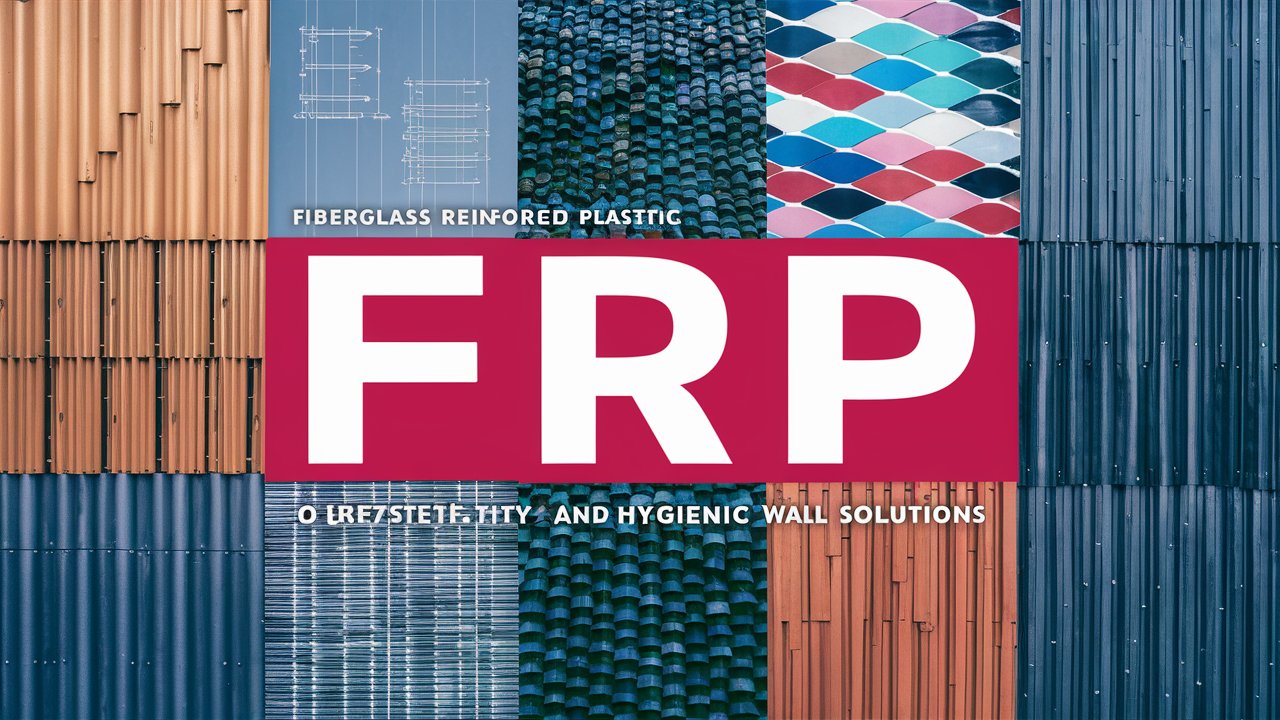
FRP panels, or Fiberglass Reinforced Plastic panels, have become one of the most popular wall and ceiling covering materials in commercial, industrial, and even residential spaces. Known for their durability, moisture resistance, and easy maintenance, FRP panels are widely used in environments that demand cleanliness and long-lasting performance. From restaurants and hospitals to warehouses and bathrooms, these panels provide a cost-effective and efficient solution for protecting walls from damage, mold, and corrosion. This comprehensive guide explores everything about their composition, benefits, installation process, cost, and applications—to help you understand why they are a top choice for modern construction and renovation projects.
What Are FRP Panels?
FRP panels are composite wall coverings made from a combination of polyester resin and fiberglass reinforcement. This blend creates a strong, lightweight, and flexible material that can withstand harsh conditions. The panels are typically installed over drywall, plywood, or other solid surfaces to provide a protective barrier against moisture, chemicals, and impact. Their versatility and performance make them an ideal choice for both new construction and remodeling projects.
Types of FRP Panels
1. Standard FRP Panels
They are ideal for areas that require frequent cleaning, such as restrooms, kitchens, and storage rooms. These panels are available in various colors and textures, allowing for both functional and aesthetic customization.
2. Fire-Rated FRP Panels
Fire-rated are designed to meet specific fire safety standards. They contain special additives that enhance their resistance to flames and heat, making them suitable for environments where fire protection is a priority. These panels are often used in industrial facilities, laboratories, and public buildings where safety regulations are strict.
3. Decorative FRP Panels
Decorative combine functionality with design appeal. They come in a variety of finishes, including faux wood, stone, and metallic textures, allowing designers to achieve a stylish look without compromising on durability. These panels are perfect for commercial interiors, retail spaces, and hospitality environments where aesthetics matter as much as performance.
4. Hygienic FRP Panels
Hygienic are specifically engineered for environments that require strict sanitation standards. Their smooth, seamless surface prevents the accumulation of dirt, mold, and bacteria. These panels are widely used in hospitals, laboratories, and food processing plants where hygiene is critical.
Benefits of FRP Panels
The popularity of stems from their numerous advantages over traditional wall materials. One of the most significant benefits is durability are resistant to impact, scratches, and corrosion, ensuring long-term performance even in demanding environments. They are also moisture-resistant, making them ideal for wet areas such as bathrooms, kitchens, and laundry rooms. Another key advantage is low maintenance; the panels can be easily cleaned with mild detergents, eliminating the need for repainting or refinishing. Additionally are lightweight and easy to install, reducing labor costs and installation time. Their chemical resistance makes them suitable for industrial applications where exposure to harsh substances is common.
Applications of FRP Panels
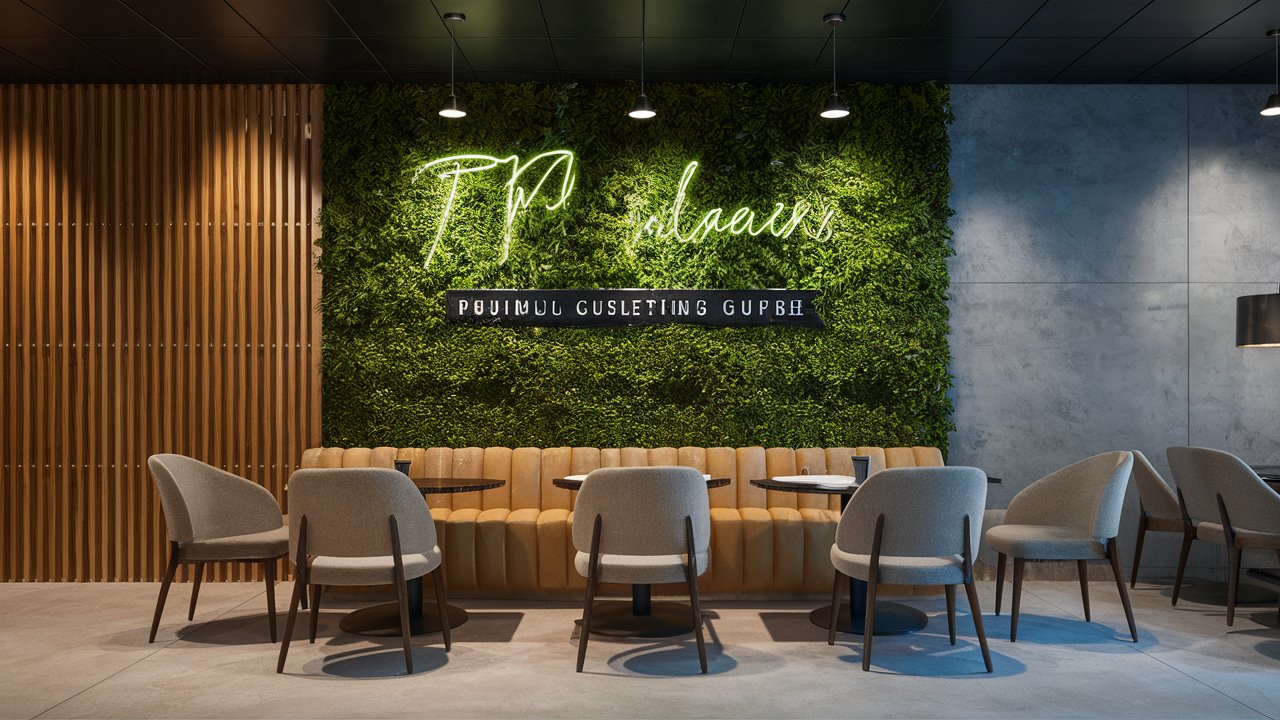
Across a wide range of industries due to their versatility and performance. In commercial kitchens, they provide a hygienic and easy-to-clean surface that meets health code requirements. In hospitals and laboratories, they help maintain sterile environments by preventing bacterial growth. Warehouses and manufacturing plants use to protect walls from impact and chemical damage. In restrooms and locker rooms, the panels resist moisture and mold, ensuring long-lasting cleanliness. Even in residential settings are gaining popularity for basements, garages, and utility rooms where durability and moisture resistance are essential.
Installation Process of FRP Panels
Installing is a straightforward process, but proper preparation is key to achieving a professional finish. The surface must be clean, dry, and free of dust or grease before installation. Adhesive installation involves applying a strong bonding agent to the back of the panel and pressing it firmly onto the wall. Mechanical installation uses rivets or screws to secure the panels in place, often with trim pieces to cover seams and edges. Once installed, the joints are sealed with silicone or molding strips to create a watertight finish. Proper ventilation and temperature control during installation ensure optimal adhesion and longevity.
Cost of FRP Panels
The cost of varies depending on the type, thickness, and finish. On average, standard range from $30 to $50 per sheet, while fire-rated or decorative options may cost more. Installation costs can add another $2 to $5 per square foot, depending on labor rates and project complexity. Although the initial investment may be higher than traditional wall coverings, the long-term savings in maintenance and replacement make a cost-effective choice. Their durability and low upkeep requirements reduce the need for frequent repairs, resulting in significant savings over time.
Maintenance and Longevity
Regular cleaning with mild soap and water is usually sufficient to keep them looking new. The panels are resistant to fading, cracking, and peeling, even in high-humidity environments. With proper care, can last for decades without losing their structural integrity or appearance. Their longevity and resilience make them a smart investment for both commercial and residential applications.
Environmental Impact of FRP Panels
FRP panels contribute to sustainability by reducing the need for frequent replacements and minimizing waste. Many manufacturers are now producing eco-friendly using recycled materials and low-emission resins. Their long lifespan and low maintenance requirements also reduce the environmental impact associated with cleaning products and repainting. Additionally, FRP panels improve energy efficiency by providing an extra layer of insulation, helping maintain stable indoor temperatures and reducing energy consumption.
Conclusion
FRP panels are a versatile, durable, and hygienic solution for modern wall and ceiling applications. Their resistance to moisture, chemicals, and impact makes them ideal for a wide range of environments, from commercial kitchens and hospitals to warehouses and residential spaces. While the initial cost may be higher than traditional materials, the long-term benefits of durability, low maintenance, and aesthetic flexibility make a superior choice. As industries continue to prioritize cleanliness, efficiency, and sustainability, stand out as a reliable and cost-effective building material for the future.
Frequently Asked Questions
1. What does FRP stand for?
FRP stands for Fiberglass Reinforced Plastic, a composite material made from polyester resin and fiberglass.
2. Where are FRP panels commonly used?
They are used in commercial kitchens, hospitals, warehouses, restrooms, and other areas that require durable and moisture-resistant wall coverings.
3. Are FRP panels waterproof?
Yes, are highly resistant to moisture, making them ideal for wet and humid environments.
4. How long do FRP panels last?
With proper installation and maintenance can last 20 years or more without significant wear or damage.
5. Can FRP panels be painted?
While come in various colors and finishes, they can be painted using specialized coatings designed for plastic surfaces.
6. Are FRP panels easy to clean?
Yes, their smooth, non-porous surface makes them easy to clean with mild soap and water, preventing mold and bacteria buildup.
7. How are FRP panels installed?
They can be installed using adhesive, mechanical fasteners, or a combination of both, depending on the surface and application.
8. Are FRP panels fire-resistant?
Standardm are not fireproof, but fire-rated versions are available for areas requiring enhanced fire safety.
9. What sizes do FRP panels come in?
The most common size is 4 feet by 8 feet, though custom sizes are available for specific projects.
10. Why choose FRP panels over traditional wall materials?
FRP panels offer superior durability, moisture resistance, hygiene, and low maintenance compared to materials like drywall, tile, or wood, making them a long-lasting and cost-effective solution.
