

Calamari, a term derived from the Italian word for squid, has become one of the most popular seafood dishes around the world. Known for its tender texture and mild flavor, calamari can be prepared in countless ways—from crispy fried rings to grilled delicacies and gourmet pasta dishes. This versatile seafood not only satisfies the palate but also offers impressive nutritional benefits. Understanding what calamari is, how it’s prepared, and why it’s loved globally can help seafood enthusiasts appreciate it even more. This comprehensive guide explores everything about calamari, including its origins, cooking methods, health benefits, and frequently asked questions.
What Is Calamari?
Calamari refers to squid that is prepared and served as food. While all calamari are squid, not all squid species are considered suitable for culinary use. The most commonly used species for calamari dishes are smaller, tender varieties that cook quickly and absorb flavors beautifully. Calamari is prized for its delicate taste and slightly chewy texture, which makes it a favorite in Mediterranean, Asian, and American cuisines. It can be served as an appetizer, main course, or even as part of a seafood platter.
The History and Origin of Calamari
The history of calamari dates back centuries, with its roots deeply embedded in Mediterranean and Asian cultures. Ancient Greeks and Romans were among the first to enjoy squid as a delicacy, often grilling or stewing it with olive oil and herbs. In Japan, squid has long been a staple in sushi and sashimi dishes, while in Italy and Spain, calamari is often fried or stuffed with flavorful fillings. Over time, calamari spread across the globe, becoming a beloved dish in coastal regions and fine dining establishments alike. Today, it’s a symbol of culinary creativity and cultural fusion.
Popular Calamari Dishes Around the World
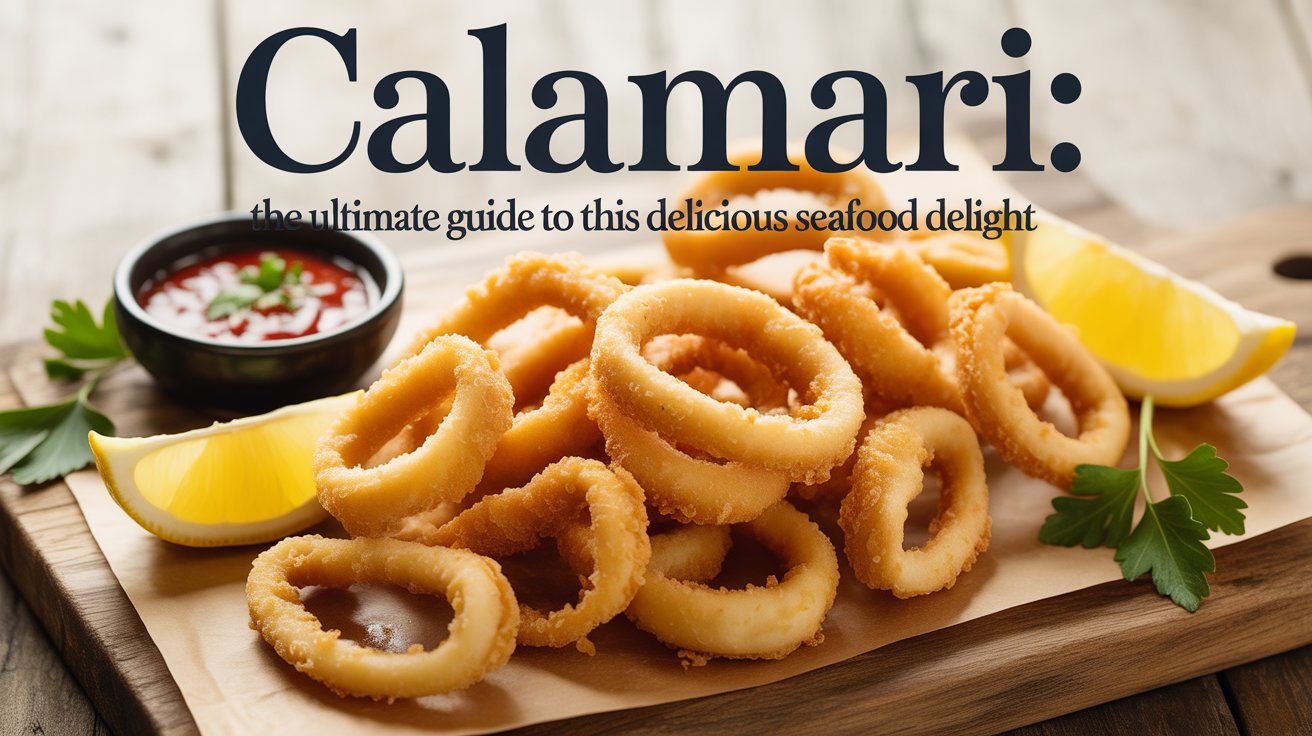
Calamari’s versatility allows it to be prepared in numerous ways, each reflecting the culinary traditions of different regions. In Italy, Calamari Fritti—lightly battered and fried squid rings—are served with lemon wedges and marinara sauce. In Spain, Calamares a la Romana are a popular tapas dish, often enjoyed with aioli. In Japan, Ika Sushi and Ika Tempura showcase the delicate flavor of squid in both raw and cooked forms. In Greece, Kalamari Tiganito is a seaside favorite, while in the Philippines, Adobong Pusit features squid simmered in soy sauce and vinegar. Each preparation highlights calamari’s ability to adapt to diverse flavor profiles and cooking techniques.
How to Cook Calamari Perfectly
Cooking requires precision to achieve the ideal texture. Overcooking can make it rubbery, while undercooking may leave it too soft. The key is to cook it either very quickly over high heat or slowly over low heat. For frying, rings are typically coated in seasoned flour or breadcrumbs and deep-fried until golden brown. Grilling brings out a smoky flavor, especially when marinated in olive oil, garlic, and lemon juice. It can also be sautéed, stuffed, or added to pasta and risotto. Fresh should be cleaned thoroughly, removing the beak, quill, and ink sac before cooking.
Nutritional Benefits of Calamari
Calamari is not only delicious but also nutritious. It is a rich source of protein, essential for muscle growth and repair. It contains important vitamins and minerals such as vitamin B12, phosphorus, and selenium, which support energy production and immune function. is also low in fat and calories, making it a healthy choice for those watching their diet. However, when fried, its calorie content increases, so grilled or steamed is a better option for a lighter meal. Additionally, provides omega-3 fatty acids, which promote heart health and reduce inflammation.
Calamari in Modern Cuisine
In modern gastronomy, has evolved beyond traditional recipes. Chefs around the world experiment with innovative presentations, combining with exotic spices, sauces, and textures. It’s now featured in gourmet salads, tacos, and even fusion dishes like calamari curry or calamari burgers. The rise of sustainable seafood practices has also encouraged the use of responsibly sourced squid, ensuring that this delicacy remains available for future generations. Whether served in a fine dining restaurant or a seaside café, continues to captivate food lovers with its versatility and flavor.
Tips for Buying and Storing Calamari
When purchasing freshness is key. Fresh should have a clean, ocean-like smell and firm, translucent flesh. Avoid squid with a strong fishy odor or slimy texture. If fresh is unavailable, frozen is a great alternative, as it retains much of its flavor and texture when properly thawed. Store fresh in the refrigerator and use it within two days, or freeze it for longer storage. Before cooking, pat it dry to ensure a crisp texture when frying or grilling.
Conclusion
Calamari is a culinary treasure that combines taste, texture, and nutrition in one delightful package. From its ancient origins to its modern-day popularity, calamari has earned its place as a global seafood favorite. Its adaptability to various cooking styles and cuisines makes it a must-try for anyone who appreciates fine food. Whether enjoyed as crispy fried rings, tender grilled pieces, or part of a flavorful pasta dish continues to inspire chefs and food lovers alike.
