
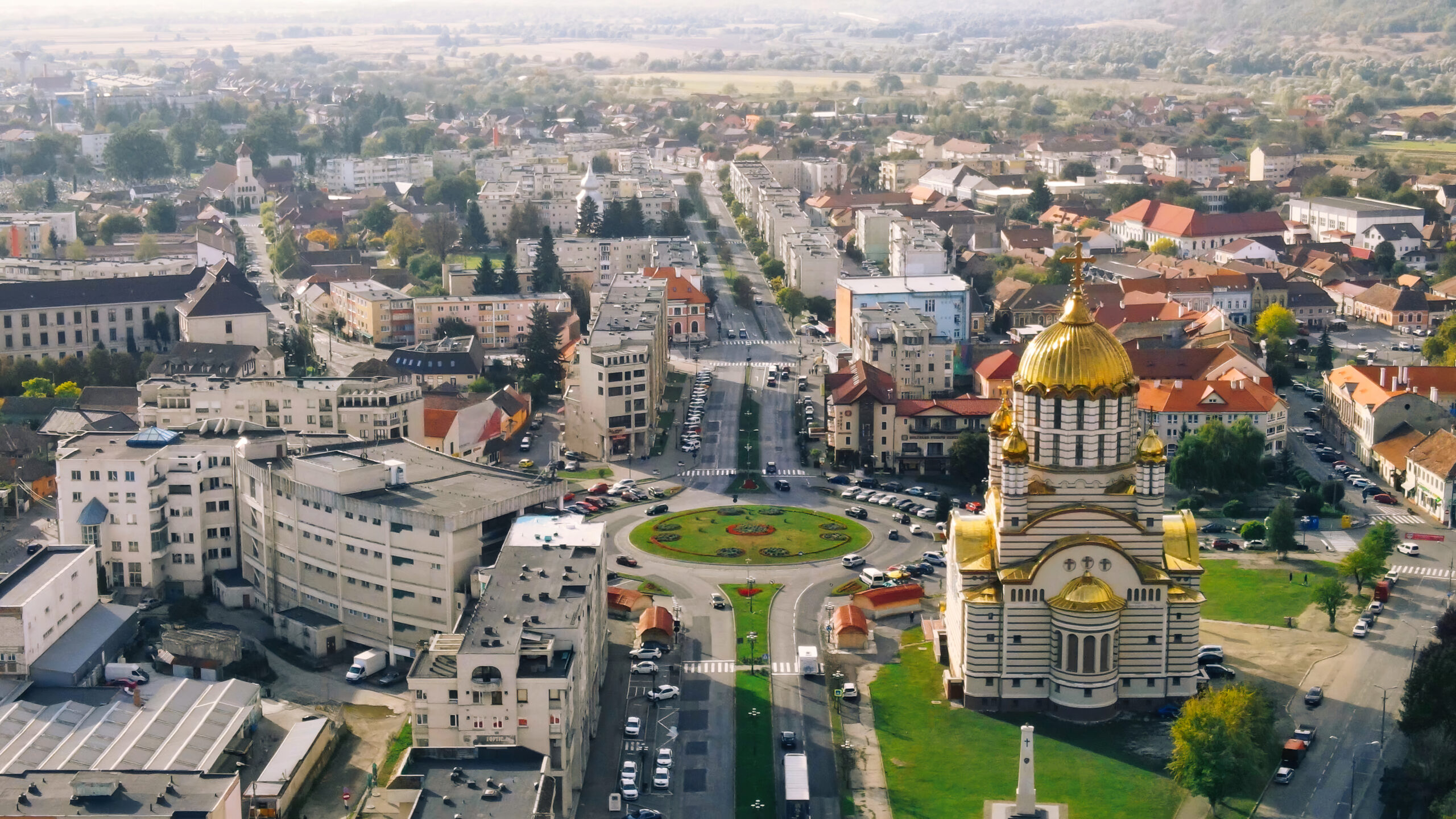
Romania is a country that beautifully blends history, culture, and natural beauty, making it one of Europe’s most captivating destinations. Nestled in the southeastern part of the continent, Romania is known for its medieval castles, picturesque villages, and breathtaking landscapes that stretch from the Carpathian Mountains to the Black Sea coast. Beyond its scenic charm, Romania is a land of deep traditions, vibrant festivals, and warm hospitality. Whether exploring the legendary region of Transylvania, wandering through the cobbled streets of Bucharest, or hiking in the pristine wilderness of the Apuseni Mountains, Romania offers an experience that is both authentic and unforgettable. This article explores Romania’s geography, culture, economy, tourism, and modern development, providing a comprehensive look at why this country continues to capture the world’s imagination.
1. Geography and Natural Beauty of Romania
The geography of Romania is one of its most defining features, offering a diverse landscape that appeals to nature lovers and adventurers alike. The majestic Carpathian Mountains dominate the central region, providing a haven for hikers, skiers, and wildlife enthusiasts. These mountains are home to dense forests, glacial lakes, and rare species such as brown bears and lynxes. To the south, the Danube River flows gracefully across the country, culminating in the Danube Delta, a UNESCO World Heritage Site and one of Europe’s most biodiverse ecosystems. The Black Sea coast in the east offers sandy beaches and lively resorts, making it a popular summer destination. Romania’s natural diversity—from mountains to plains and wetlands—creates a landscape that is both dramatic and serene, offering endless opportunities for exploration and relaxation.
2. The Rich History of Romania
The history of Romania is a fascinating journey through ancient civilizations, empires, and cultural transformations. The earliest known inhabitants were the Dacians, a proud and resilient people who built fortified settlements across the Carpathians. In 106 AD, the Roman Empire conquered Dacia, leaving behind a legacy that still influences Romanian language and culture today. During the medieval period, Romania was divided into three principalities—Wallachia, Moldavia, and Transylvania—each with its own rulers and traditions. These regions played crucial roles in defending Europe from Ottoman invasions and preserving Christian heritage. The 19th century marked Romania’s unification and independence, while the 20th century brought both challenges and triumphs, including the fall of communism in 1989. Today, Romania stands as a proud nation that honors its past while embracing modern progress.
3. Romanian Culture and Traditions
Romanian culture is a vibrant tapestry woven from centuries of history, folklore, and artistic expression. Deeply rooted in rural life, Romanian traditions reflect a strong connection to nature, family, and spirituality. Folk music and dance play a central role in community celebrations, with instruments like the violin, pan flute, and cobza creating melodies that echo through generations. Traditional clothing, characterized by intricate embroidery and bright colors, remains a symbol of national pride, especially during festivals and holidays. Romanian cuisine is another cultural treasure, featuring hearty dishes such as sarmale (cabbage rolls), mămăligă (cornmeal porridge), and mici (grilled sausages). The country’s folklore is rich with legends, the most famous being the tale of Count Dracula, inspired by the historical figure Vlad the Impaler. Together, these elements form a cultural identity that is both timeless and dynamic.
4. Romania’s Economy and Modern Development
The economy of Romania has undergone remarkable transformation over the past few decades. Once primarily agricultural, Romania has evolved into a diversified economy driven by technology, manufacturing, and services. The country’s strategic location in Eastern Europe makes it an attractive destination for foreign investment, particularly in the automotive, IT, and energy sectors. Cities like Bucharest, Cluj-Napoca, and Timișoara have become hubs for innovation and entrepreneurship, attracting young professionals and global companies alike. Romania’s membership in the European Union since 2007 has further strengthened its economic stability and trade relations. Despite challenges such as infrastructure development and rural poverty, Romania continues to experience steady growth, positioning itself as one of the emerging economies in Europe.
5. Tourism in Romania: Top Attractions and Experiences
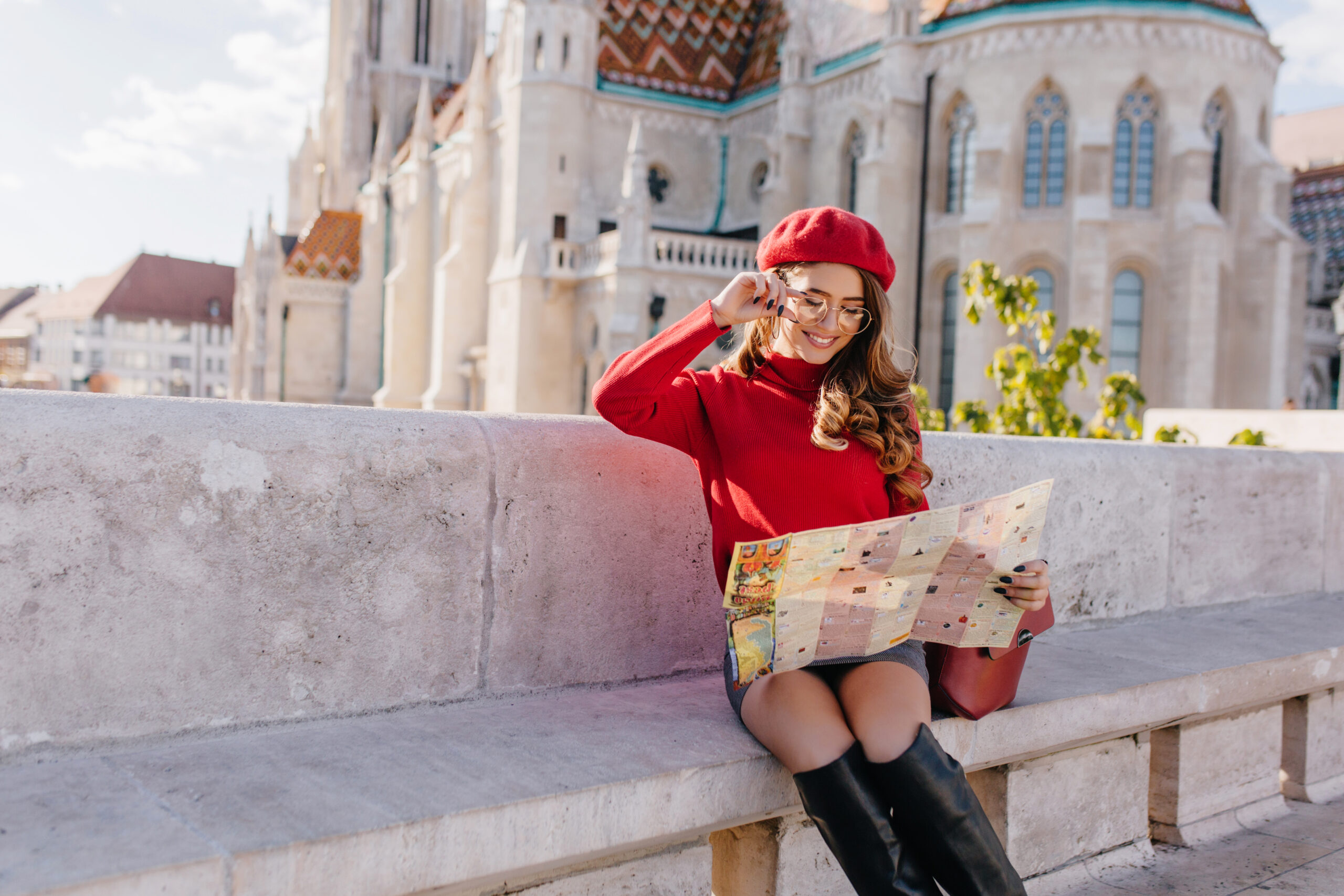
Tourism in Romania is flourishing as travelers discover the country’s unique blend of history, nature, and hospitality. The region of Transylvania is perhaps the most famous, home to the legendary Bran Castle, often associated with Dracula, and the medieval city of Brașov, with its Gothic architecture and charming squares. The painted monasteries of Bucovina, adorned with vivid frescoes, are masterpieces of Byzantine art and spirituality. In Maramureș, visitors can experience traditional village life, complete with wooden churches and centuries-old customs. The capital city, Bucharest, offers a mix of old and new, from the grand Palace of the Parliament to trendy cafes and art galleries. Nature enthusiasts can explore the Carpathian Mountains, the Danube Delta, and the Apuseni Caves, each offering breathtaking scenery and outdoor adventures. Romania’s tourism appeal lies in its authenticity—an unspoiled destination where history and nature coexist harmoniously.
6. Romanian People and Language
The people of Romania are known for their warmth, resilience, and strong sense of community. Family plays a central role in Romanian society, and hospitality is deeply ingrained in the culture. Visitors are often welcomed with open arms and treated to home-cooked meals and heartfelt conversations. The Romanian language, a Romance language derived from Latin, sets Romania apart from its Slavic neighbors. It shares similarities with Italian, French, and Spanish, making it relatively easy for speakers of those languages to understand. The preservation of Latin roots in the Romanian language is a testament to the country’s historical connection to the Roman Empire. This linguistic and cultural uniqueness contributes to Romania’s distinct identity within Eastern Europe.
7. Romania’s Role in the European Union and Global Affairs
Since joining the European Union in 2007, Romania has played an increasingly important role in regional and global affairs. The country has benefited from EU funding for infrastructure, education, and environmental projects, while also contributing to the union’s political and economic stability. Romania’s strategic location at the crossroads of Central and Eastern Europe makes it a key player in energy security and regional cooperation. The nation is also an active member of NATO, participating in peacekeeping missions and defense initiatives. As Romania continues to modernize and strengthen its institutions, it is emerging as a bridge between Western Europe and the Balkans, promoting dialogue, innovation, and sustainable development.
Conclusion
Romania is a country of contrasts and harmony—a place where ancient traditions meet modern aspirations, and natural beauty intertwines with cultural richness. From the mystical landscapes of Transylvania to the vibrant streets of Bucharest, Romania offers a journey through time, heritage, and human connection. Its people, language, and history form a unique identity that continues to inspire curiosity and admiration around the world. As Romania moves forward, embracing innovation while preserving its roots, it stands as a shining example of resilience and transformation in Eastern Europe. For travelers, investors, and dreamers alike, Romania is not just a destination—it is an experience that leaves a lasting impression.
Frequently Asked Questions (FAQ)
1. Where is Romania located?
Romania is located in southeastern Europe, bordered by Ukraine, Hungary, Serbia, Bulgaria, and the Black Sea.
2. What is Romania famous for?
Romania is famous for its medieval castles, the legend of Dracula, the Carpathian Mountains, and the Danube Delta.
3. What language is spoken in Romania?
The official language is Romanian, a Romance language derived from Latin.
4. Is Romania part of the European Union?
Yes, Romania has been a member of the European Union since 2007.
5. What are the top tourist attractions in Romania?
Popular attractions include Bran Castle, Peleș Castle, the painted monasteries of Bucovina, the Danube Delta, and the city of Bucharest.
6. What is Romanian cuisine like?
Romanian cuisine features hearty dishes such as sarmale (cabbage rolls), mămăligă (cornmeal porridge), and mici (grilled sausages).
