
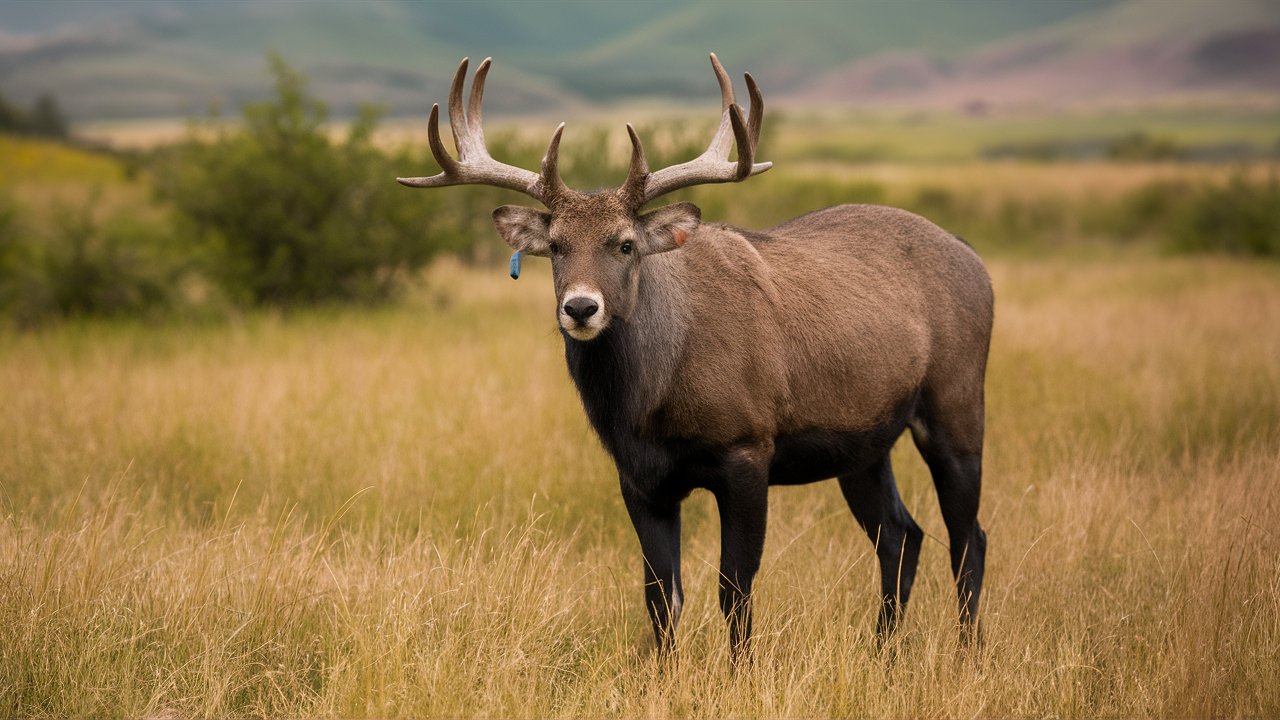
Viltnemnda, often referred to as the local wildlife committee in Norway, plays a crucial role in managing and preserving wildlife populations while balancing human interests such as agriculture, traffic safety, and recreation. This committee operates under the framework of Norwegian wildlife laws and municipal governance, ensuring that wildlife management decisions are made responsibly and sustainably. Understanding the structure, duties, and significance of viltnemnda is essential for anyone interested in environmental conservation, hunting regulations, or rural community governance.
What Is Viltnemnda?
Viltnemnda is a municipal committee responsible for overseeing wildlife management at the local level. It acts as a bridge between national wildlife authorities and local communities, ensuring that policies are implemented effectively and adapted to local conditions. The committee typically consists of members appointed by the municipal council, often including individuals with experience in hunting, agriculture, or environmental management. Their primary goal is to maintain a healthy balance between wildlife populations and human activities, preventing conflicts and promoting biodiversity.
The Role of Viltnemnda in Wildlife Management
The viltnemnda has a wide range of responsibilities that extend beyond simple oversight. One of its main tasks is to manage hunting quotas for species such as moose, deer, and other game animals. By collecting data on population sizes, migration patterns, and ecological conditions, the committee ensures that hunting remains sustainable and does not threaten species survival. Additionally, viltnemnda is responsible for handling wildlife accidents, such as collisions between animals and vehicles, coordinating with police and local hunters to track and assist injured animals.
Another important function of viltnemnda is to provide advice and guidance to landowners and hunters. The committee helps interpret wildlife laws, issues permits, and ensures that hunting practices comply with ethical and environmental standards. It also plays a role in educating the public about wildlife conservation, encouraging responsible behavior in nature, and fostering cooperation between different stakeholders.
How Viltnemnda Balances Human and Wildlife Interests
Balancing human needs with wildlife conservation is one of the most challenging aspects of viltnemnda’s work. In rural areas, large populations of deer or moose can cause significant damage to crops and forests, leading to economic losses for farmers and landowners. At the same time, these animals are an important part of Norway’s natural heritage and ecosystem. Viltnemnda must therefore make decisions that protect both livelihoods and biodiversity.
Through careful monitoring and collaboration with local communities, the committee develops management plans that regulate hunting seasons, set population targets, and implement preventive measures such as fencing or warning systems along roads. This approach ensures that wildlife populations remain stable while minimizing conflicts with human activities.
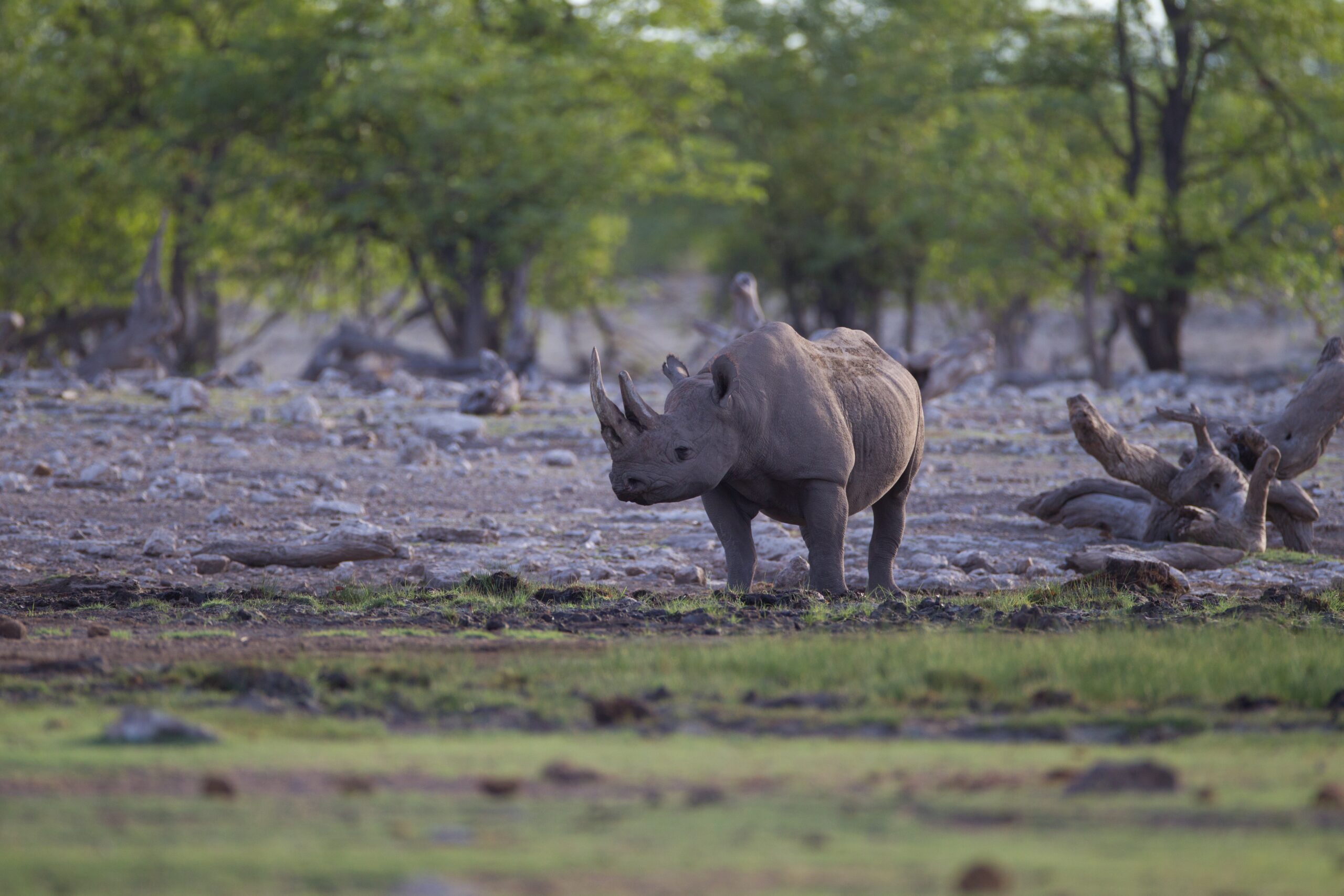
The Legal Framework Governing Viltnemnda
Viltnemnda operates under the Norwegian Wildlife Act (Viltloven), which outlines the principles of sustainable wildlife management. The law emphasizes that all wildlife is a common resource belonging to society as a whole, and it must be managed in a way that benefits both current and future generations. Municipalities are given the authority to establish viltnemnder to carry out these responsibilities locally.
The committee’s decisions are guided by scientific data, ethical considerations, and national policies. They must also comply with environmental regulations and international agreements related to biodiversity and animal welfare. This legal framework ensures that viltnemnda’s actions are transparent, accountable, and aligned with broader conservation goals.
Challenges Faced by Viltnemnda
Despite its important role, viltnemnda faces several challenges in fulfilling its duties. Climate change, habitat loss, and increasing human activity in natural areas have made wildlife management more complex. Changing weather patterns can affect animal migration and reproduction, making it harder to predict population trends. Additionally, public attitudes toward hunting and wildlife conservation are evolving, requiring the committee to balance traditional practices with modern environmental values.
Another challenge is ensuring adequate funding and resources. Many viltnemnder rely on volunteer work and limited municipal budgets, which can restrict their ability to conduct research, implement preventive measures, or respond quickly to wildlife incidents. Strengthening cooperation between municipalities, government agencies, and local organizations is essential to overcome these obstacles.
The Future of Viltnemnda in Sustainable Wildlife Management
As environmental awareness grows, the role of viltnemnda is becoming increasingly important. The committee’s work contributes directly to achieving national and international sustainability goals, including biodiversity protection and responsible resource use. Future developments may include greater use of technology, such as drones and digital tracking systems, to monitor wildlife populations more accurately.
Viltnemnda will also continue to play a key role in community engagement, ensuring that local voices are heard in wildlife management decisions. By combining traditional knowledge with scientific research, the committee can create adaptive strategies that respond to changing environmental conditions while preserving Norway’s rich natural heritage.
Conclusion
Viltnemnda represents a cornerstone of Norway’s approach to wildlife management, combining local knowledge, legal authority, and environmental responsibility. Its work ensures that wildlife populations are managed sustainably, conflicts are minimized, and ecosystems remain healthy for future generations. Understanding the functions and challenges of viltnemnda highlights the importance of community-based conservation and the need for continued collaboration between citizens, authorities, and environmental experts.
Frequently Asked Questions (FAQ)
1. What does viltnemnda mean?
Viltnemnda is a Norwegian term for the local wildlife committee responsible for managing wildlife resources within a municipality.
2. Who appoints the members of viltnemnda?
Members are typically appointed by the municipal council and often include individuals with experience in hunting, agriculture, or environmental management.
3. What are the main duties of viltnemnda?
The committee manages hunting quotas, handles wildlife accidents, advises landowners and hunters, and promotes sustainable wildlife practices.
4. How does viltnemnda help prevent wildlife accidents?
Viltnemnda coordinates with local authorities and hunters to track injured animals, install warning signs, and implement preventive measures along roads.
5. Why is viltnemnda important for sustainable development?
By balancing human interests with wildlife conservation, viltnemnda supports biodiversity, reduces conflicts, and ensures responsible use of natural resources.
6. What challenges does viltnemnda face today?
Key challenges include climate change, habitat loss, limited funding, and evolving public attitudes toward wildlife and hunting.
7. How can local communities support viltnemnda?
Communities can participate in wildlife monitoring, report incidents, follow hunting regulations, and engage in conservation initiatives.
