
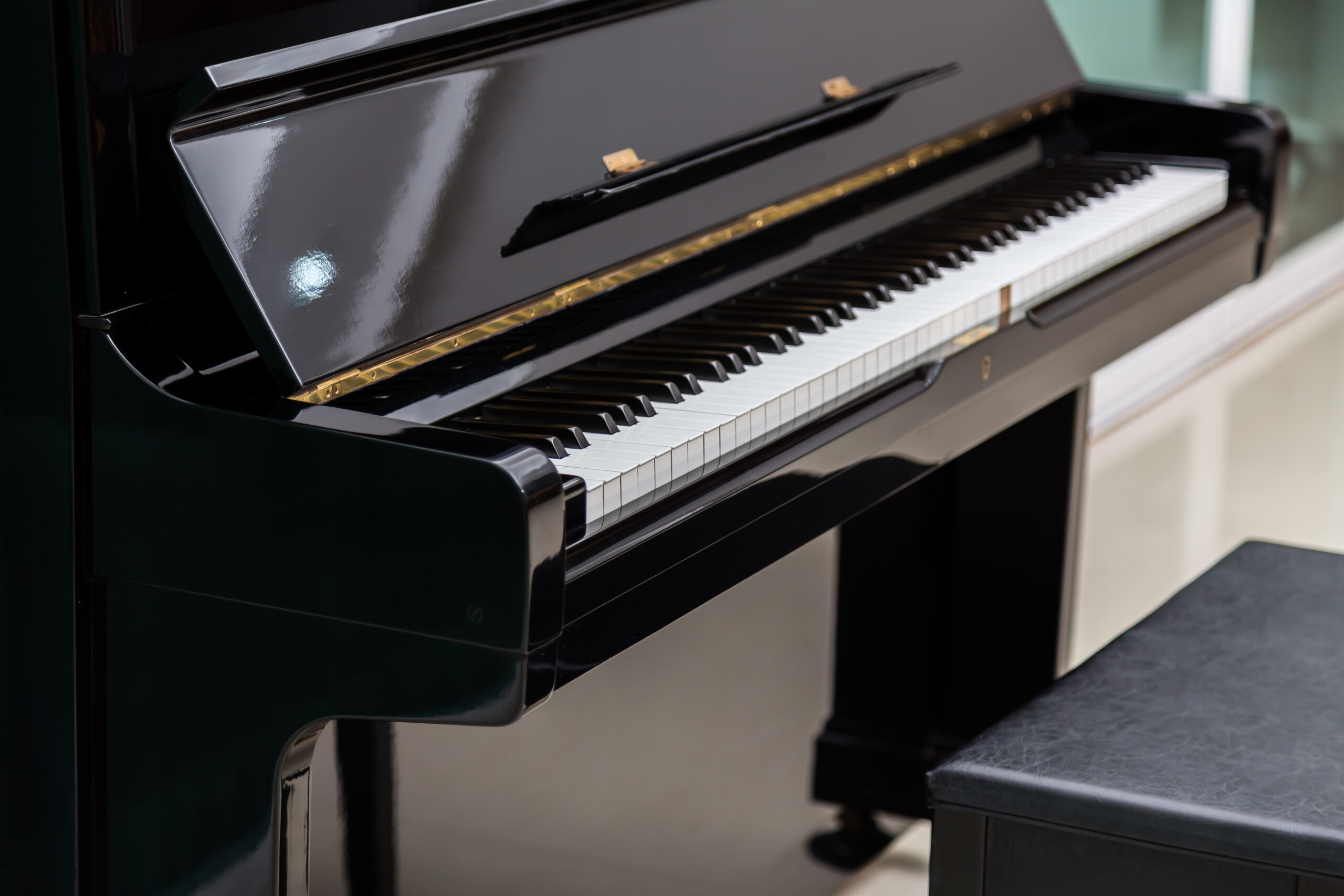
The piano is one of the most versatile and beloved musical instruments in the world. Its ability to produce both melody and harmony makes it a cornerstone of classical, jazz, and contemporary music. From grand concert halls to cozy living rooms, the piano has inspired generations of musicians and continues to be a symbol of creativity and emotional expression. Understanding the history, structure, and playing techniques not only deepens appreciation for the instrument but also helps aspiring pianists develop their skills more effectively. This comprehensive guide explores everything about the its origins, types, playing methods, and the many benefits it offers to players of all ages.
The History of the Piano
The piano’s story begins in the early 18th century with Bartolomeo Cristofori, an Italian instrument maker who sought to improve the harpsichord. Unlike the harpsichord, which plucked strings, Cristofori’s invention used hammers to strike them, allowing for dynamic control over volume and tone. This innovation gave birth to the “pianoforte,” meaning “soft-loud,” which eventually evolved into the modern piano. Over the centuries, the piano underwent numerous refinements, including the addition of iron frames, improved string tension, and advanced key mechanisms. By the 19th century, it had become a central instrument in Western music, used by composers such as Beethoven, Chopin, and Liszt to express complex emotions and technical brilliance. Today, the piano remains a timeless instrument that bridges classical traditions with modern creativity.
Types of Pianos
There are several types of pianos, each designed for different spaces, purposes, and sound preferences. The grand piano is the most prestigious type, known for its horizontal frame and long strings that produce rich, resonant tones. It is often used in concert halls and professional studios. The upright piano, on the other hand, has a vertical frame, making it more compact and suitable for homes, schools, and smaller venues. Despite its size, a high-quality upright piano can deliver impressive sound and responsiveness. The digital piano is a modern alternative that uses electronic sound sampling to replicate the acoustic piano’s tone. It offers features like volume control, headphone connectivity, and portability, making it ideal for beginners and those with limited space. Each type of piano has unique advantages, and choosing the right one depends on the player’s goals, budget, and environment.
How the Piano Works
The piano’s mechanism is a marvel of engineering. When a key is pressed, a felt-covered hammer strikes a string or set of strings, causing them to vibrate and produce sound. The vibrations are amplified by the soundboard, which gives the piano its rich tone. The pedals at the base of the instrument further enhance its expressiveness. The sustain pedal allows notes to ring out even after the keys are released, while the soft pedal reduces volume for a gentler sound. The sostenuto pedal, found on grand pianos, sustains selected notes while others remain unaffected. Understanding how these components interact helps pianists control dynamics, articulation, and phrasing more effectively, turning simple notes into expressive musical statements.
Learning to Play the Piano
Learning to play the piano is both a rewarding and challenging journey. Beginners start by familiarizing themselves with the keyboard layout, learning to read sheet music, and practicing scales to build finger strength and coordination. Consistent practice is essential, as it develops muscle memory and improves timing. As players progress, they explore more complex pieces, experiment with dynamics, and develop their own interpretation of music. Modern learners can benefit from online tutorials, mobile apps, and digital keyboards with built-in learning tools. However, traditional lessons with a qualified teacher remain invaluable for mastering technique and musical expression. Whether playing classical sonatas, jazz improvisations, or pop songs, the piano offers endless opportunities for creativity and personal growth.
Benefits of Playing the Piano
Playing the provides numerous physical, mental, and emotional benefits. It enhances hand-eye coordination, fine motor skills, and cognitive function by engaging both hemispheres of the brain. Studies have shown that practice improves memory, concentration, and problem-solving abilities. Emotionally, it serves as a powerful outlet for stress relief and self-expression, allowing players to channel their feelings through music. For children, learning the fosters discipline, patience, and confidence, while for adults, it offers a fulfilling hobby that promotes lifelong learning. The social aspect of music—performing for others or collaborating with fellow musicians—also strengthens communication and empathy. The is not just an instrument; it is a tool for personal development and emotional well-being.
Famous Pianists and Their Influence
Throughout history, many pianists have shaped the evolution of music. Ludwig van Beethoven revolutionized piano composition with his emotional depth and technical innovation. Frédéric Chopin brought poetic lyricism and expressive nuance to the instrument, while Franz Liszt dazzled audiences with his virtuosic performances. In the 20th century, artists like Arthur Rubinstein, Glenn Gould, and Vladimir Horowitz redefined interpretation and performance standards. In jazz, legends such as Thelonious Monk, Bill Evans, and Herbie Hancock expanded the piano’s role in improvisation and modern harmony. These pianists not only mastered the instrument but also inspired countless others to explore its limitless potential.
Caring for a Piano
Proper maintenance ensures that a piano remains in excellent condition for years. Acoustic pianos should be tuned at least twice a year to maintain pitch stability, as changes in humidity and temperature can affect the strings and soundboard. Regular cleaning of the keys and exterior prevents dust buildup, while professional servicing keeps the internal mechanisms functioning smoothly. For digital, keeping the instrument covered and avoiding exposure to moisture or extreme temperatures helps preserve its electronics. Investing in a bench, proper lighting, and a comfortable playing environment also enhances the overall experience.
Conclusion
The piano stands as a timeless symbol of musical artistry, combining technical precision with emotional depth. Its rich history, diverse types, and profound impact on music make it one of the most cherished instruments in the world. Whether played for personal enjoyment, professional performance, or educational growth, the piano continues to inspire creativity and connect people through the universal language of music. Embracing the beauty and complexity opens the door to a lifelong journey of discovery and expression.
Frequently Asked Questions
1. What is the best age to start learning the piano?
Children as young as five can begin piano lessons, but adults can start at any age. The key is consistent practice and motivation.
2. How often should a piano be tuned?
Acoustic pianos should be tuned at least twice a year, though frequent players or those in varying climates may need more regular tuning.
3. Is a digital piano as good as an acoustic piano?
Digital pianos offer convenience, portability, and volume control, while acoustic pianos provide richer tone and touch sensitivity. The choice depends on personal needs and space.
4. How long does it take to learn the piano?
Basic proficiency can be achieved in six months to a year with regular practice, but mastering the instrument is a lifelong process.
5. What are the main benefits of playing the piano?
Playing the piano improves coordination, memory, emotional expression, and cognitive skills while providing relaxation and creative fulfillment.
6. Can piano playing help with stress relief?
Yes, playing the piano can significantly reduce stress by promoting mindfulness, focus, and emotional release through music.
7. What type of piano is best for beginners?
A digital piano or upright piano is ideal for beginners due to affordability, space efficiency, and ease of maintenance.
